What is the difference between aerial photography and drone photography?
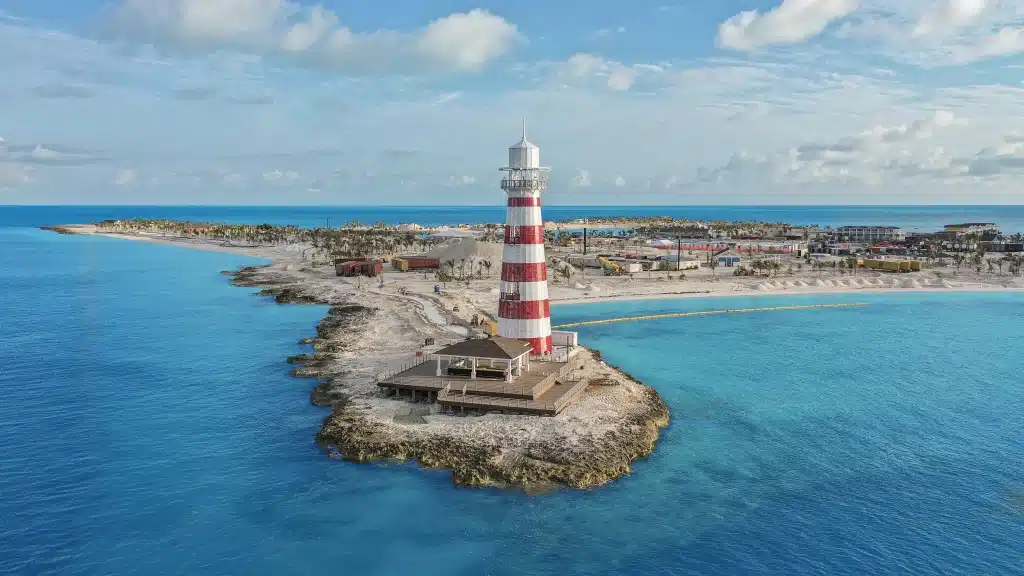
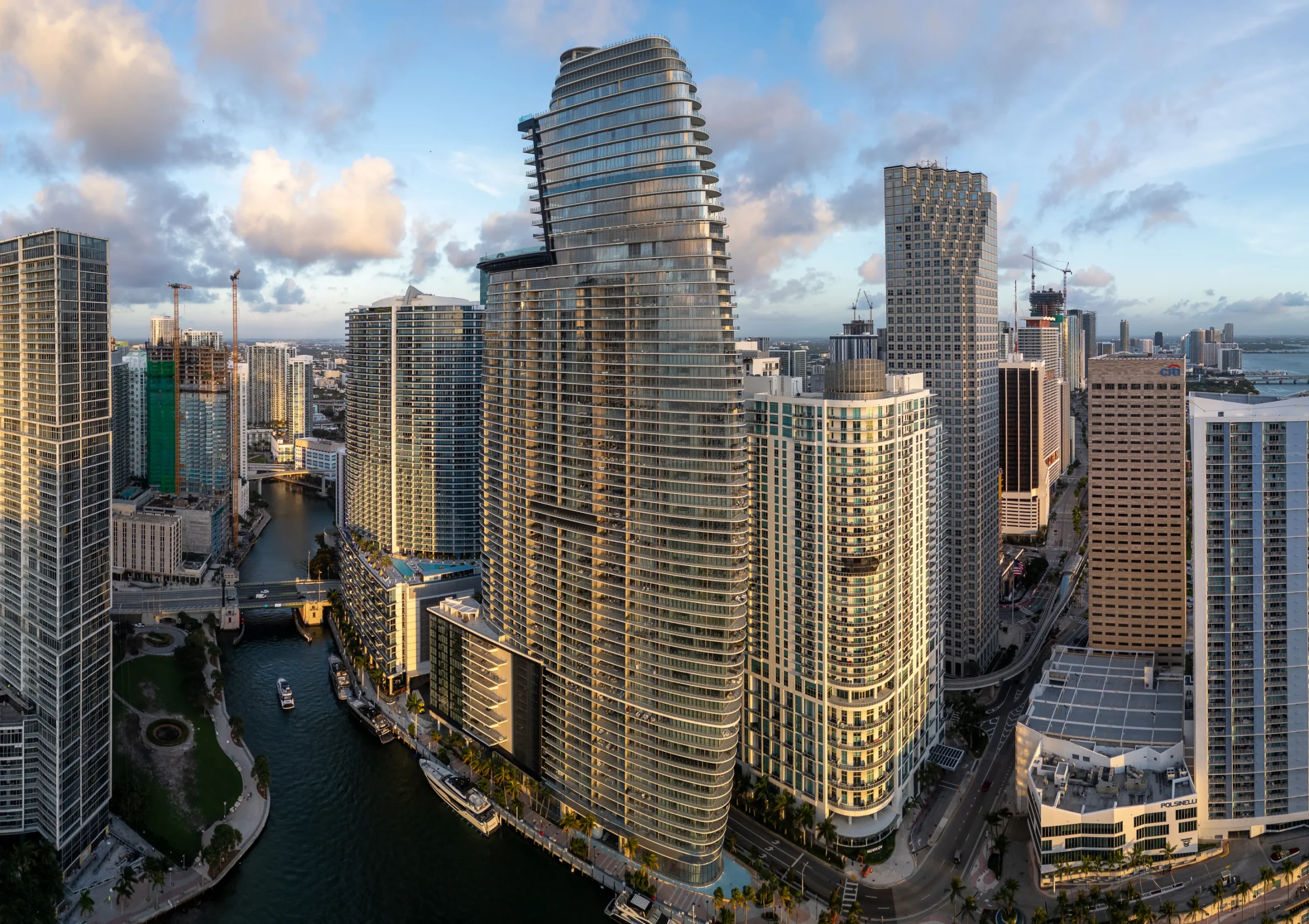
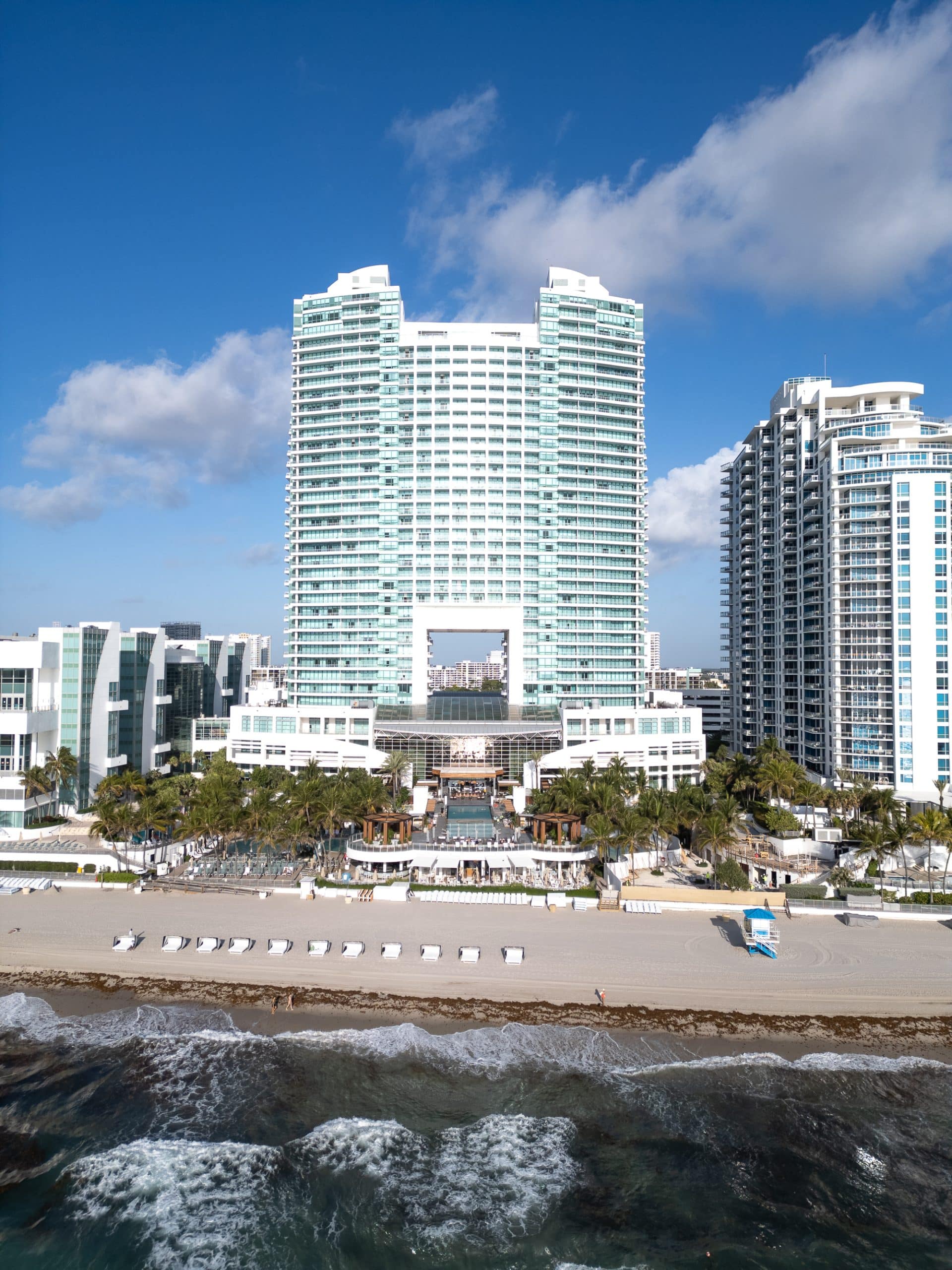
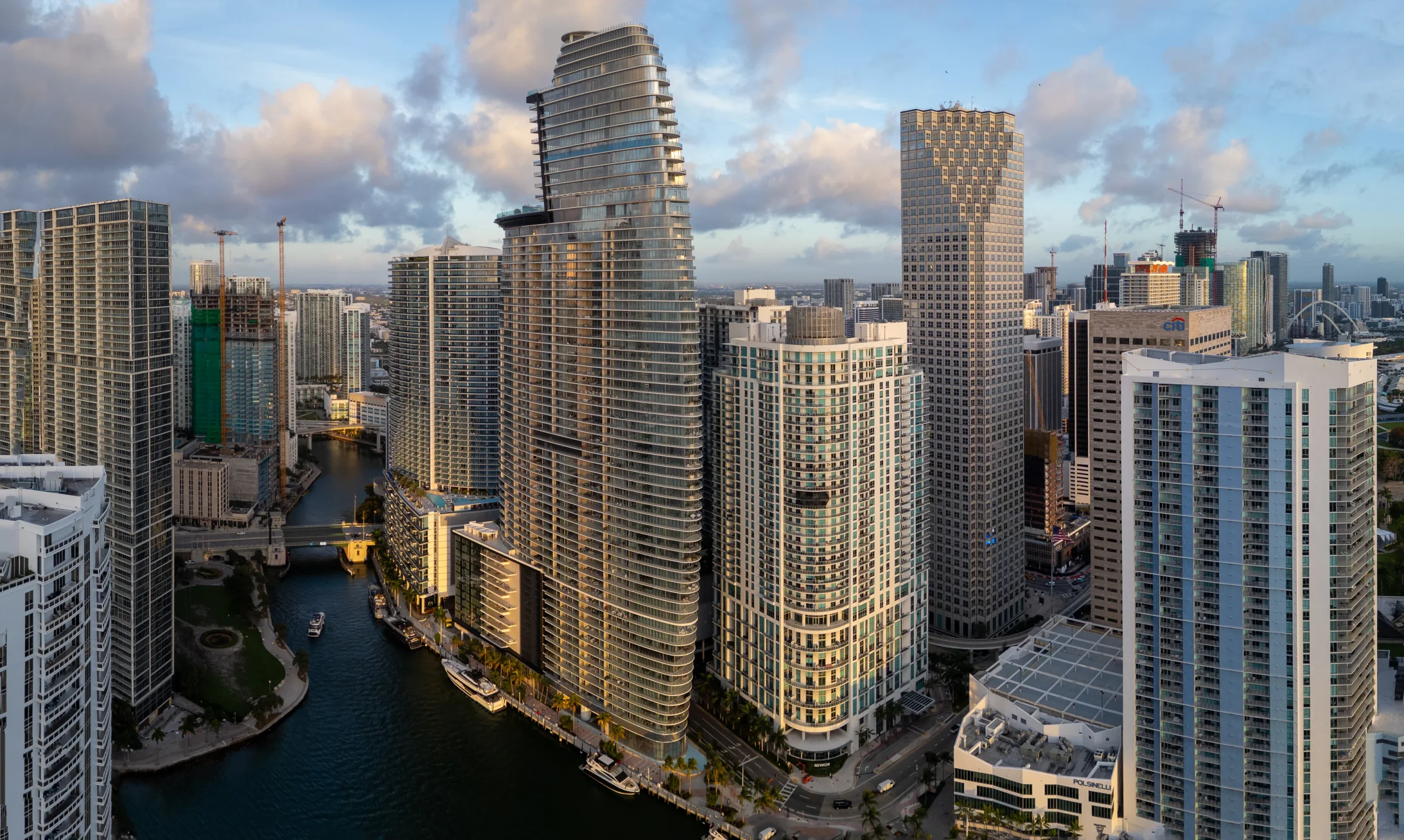
Aerial photography is the broader term for any photograph taken from an elevated position, historically from a helicopter or a fixed wing aircraft. Drone photography is aerial photography flown by a small unmanned aircraft. In practice, when a client in Miami asks for aerial photography services today, the work is almost always flown by drone, because it is faster to schedule, cheaper to operate, and it can hold a position a helicopter cannot.
How much do aerial photography services cost?
There is no single hourly rate, because the same drone can produce a fifteen minute listing shoot or a full day of multi crew coverage. The variables that move the price are site access and how much coordination it takes, whether the airspace needs a standard LAANC request or a further coordination request, total flight time and number of setups, whether you need ground, interior, or sound coverage on the same day, and how much editing and how many deliverable versions you want. Send us the address and what you need the images for, and we will quote the actual job.
Do I need permission to conduct aerial photography in Miami?
Two separate permissions are involved. The first is airspace: most of Miami-Dade sits inside controlled airspace, and FAA rules require air traffic authorization before a Part 107 flight enters Class B, C, D, or E airspace. The second is property: Florida Statute 934.50 protects property owners from drone surveillance without written consent, and it contains no exception for marketing or construction photography. We handle the airspace request and we obtain written owner or association authorization before every shoot.
Do I need a license to take drone photos of my own property?
If the images will be used for any business purpose, including selling or leasing your own property, the flight is a commercial operation and the pilot needs an FAA Part 107 Remote Pilot Certificate. The aircraft also has to be registered and Remote ID compliant. Recreational flying under the exception for recreational flyers does not cover photographs you intend to publish in a listing or a campaign. This is the most common reason a listing agent calls us after trying it themselves.
Are your drone pilots licensed and insured?
Yes. Our pilots hold FAA Part 107 Remote Pilot Certificates and we carry commercial unmanned aircraft liability insurance. Certificates of insurance are available on request, and we can name your general contractor, developer, or property manager as additional insured when your contract requires it. Note that Part 107 certifies the remote pilot rather than the company, so any provider claiming to be an FAA certified business is describing something that does not exist.
How do weather conditions affect a drone shoot in South Florida?
Part 107 sets a minimum weather visibility of three statute miles from the control station, and requires the pilot to keep the aircraft within sight. Afternoon storms and low ceilings are the usual reason a South Florida shoot moves, and the Atlantic hurricane season runs from June 1 through November 30. We book weather sensitive work in the morning where we can, we monitor conditions the day before, and if the conditions do not meet the minimums we reschedule rather than deliver a compromised set.
What happens if the weather cancels my shoot, do I still pay?
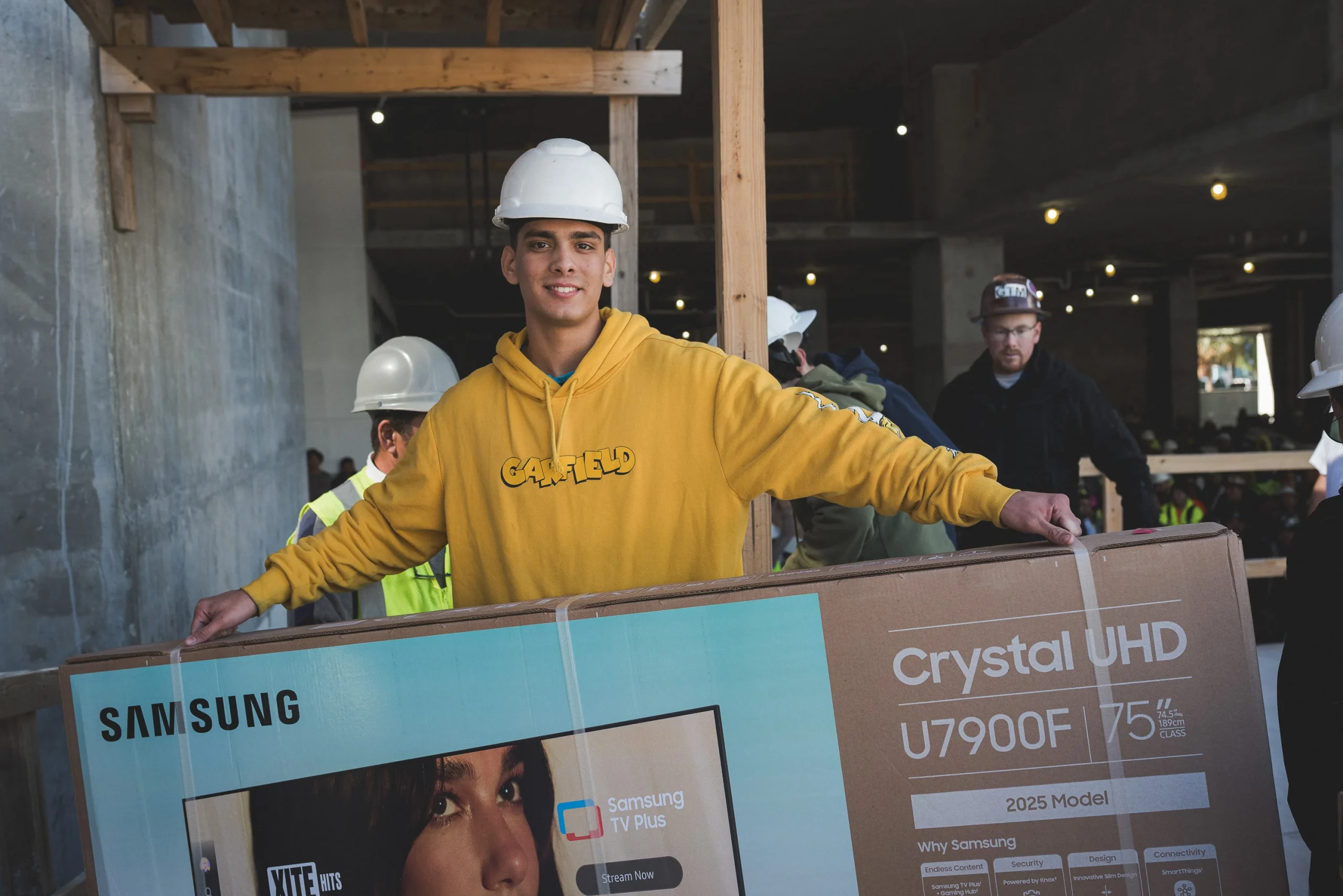
A weather call by our pilot is not a cancellation on your side. We reschedule to the next viable window at no additional charge for the flight itself. Where a specific event date cannot move, such as a topping out ceremony or a groundbreaking, we plan the coverage so the ground, interior, and sound elements are still captured even if the aerial portion is limited that day, and we return for the aerials when conditions allow.
How high can a drone legally fly for a photo?
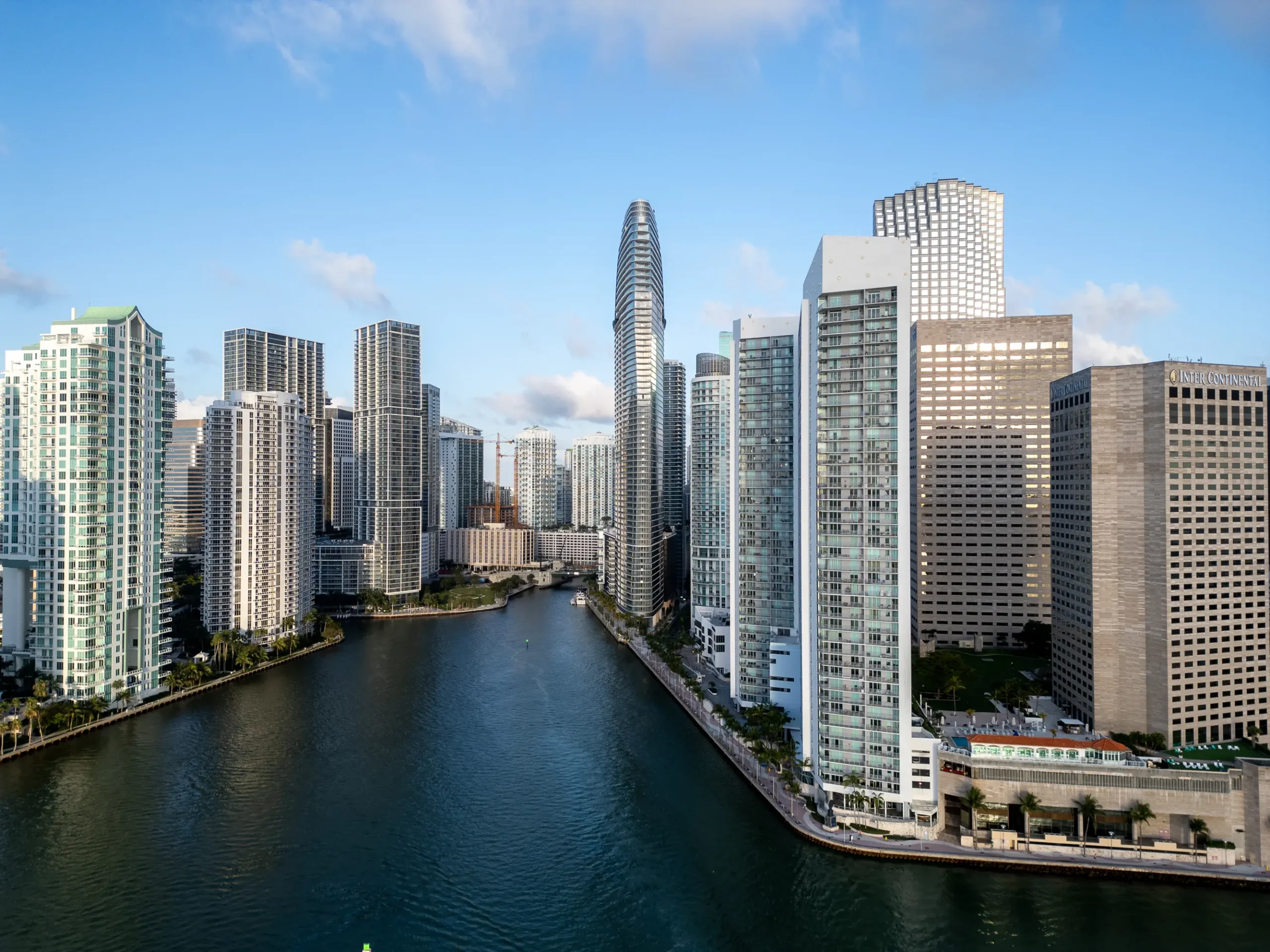
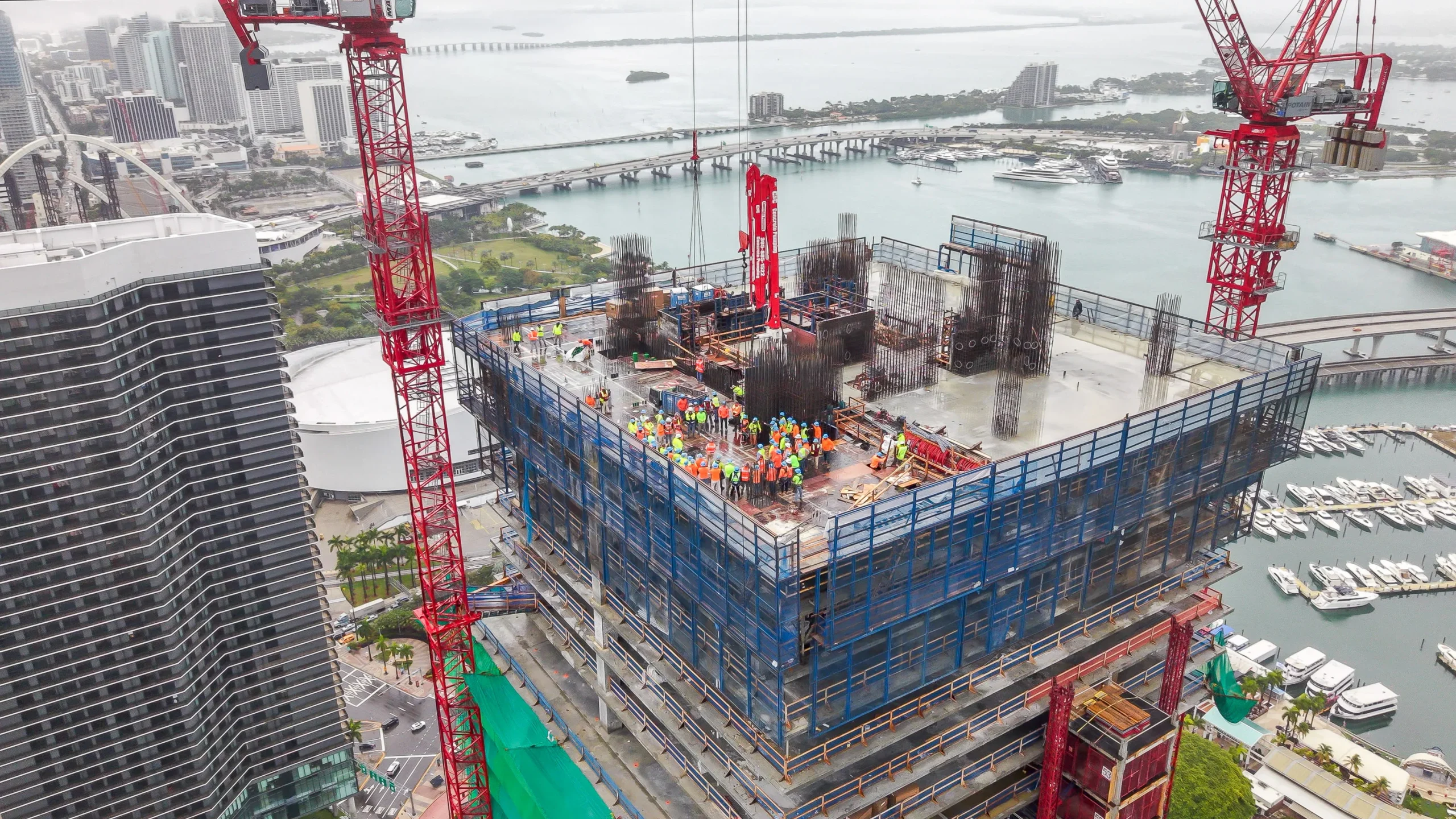
The maximum allowable altitude under Part 107 is 400 feet above the ground, and higher if the drone remains within 400 feet of a structure. That structure allowance is what makes tall building work possible in Miami, since it lets a pilot follow a tower above 400 feet while staying close to the building. Inside controlled airspace, the FAA UAS Facility Map grid may cap the altitude lower than 400 feet unless further coordination is approved.
How far in advance should I book an aerial photography shoot?
For a straightforward site in uncontrolled airspace, a few days is usually enough. For a site inside controlled airspace where automatic LAANC approval is not available, the further coordination request with the FAA needs meaningful lead time, so give us as much notice as you can. For fixed date milestones such as a topping out ceremony or a foundation pour, contact us as soon as the date is set so the airspace work is finished well before the day.
Who owns the photos, and can I use them commercially?
You receive a written license covering the uses you need, which for most clients means marketing, listings, press, social, and internal documentation, without a further fee. We ask that the images not be resold to third parties as stock. If you need exclusive ownership or a buyout for broadcast or paid media, tell us before the shoot and we will price it into the job rather than surprise you afterward.
Can you provide land survey measurements from aerial images?
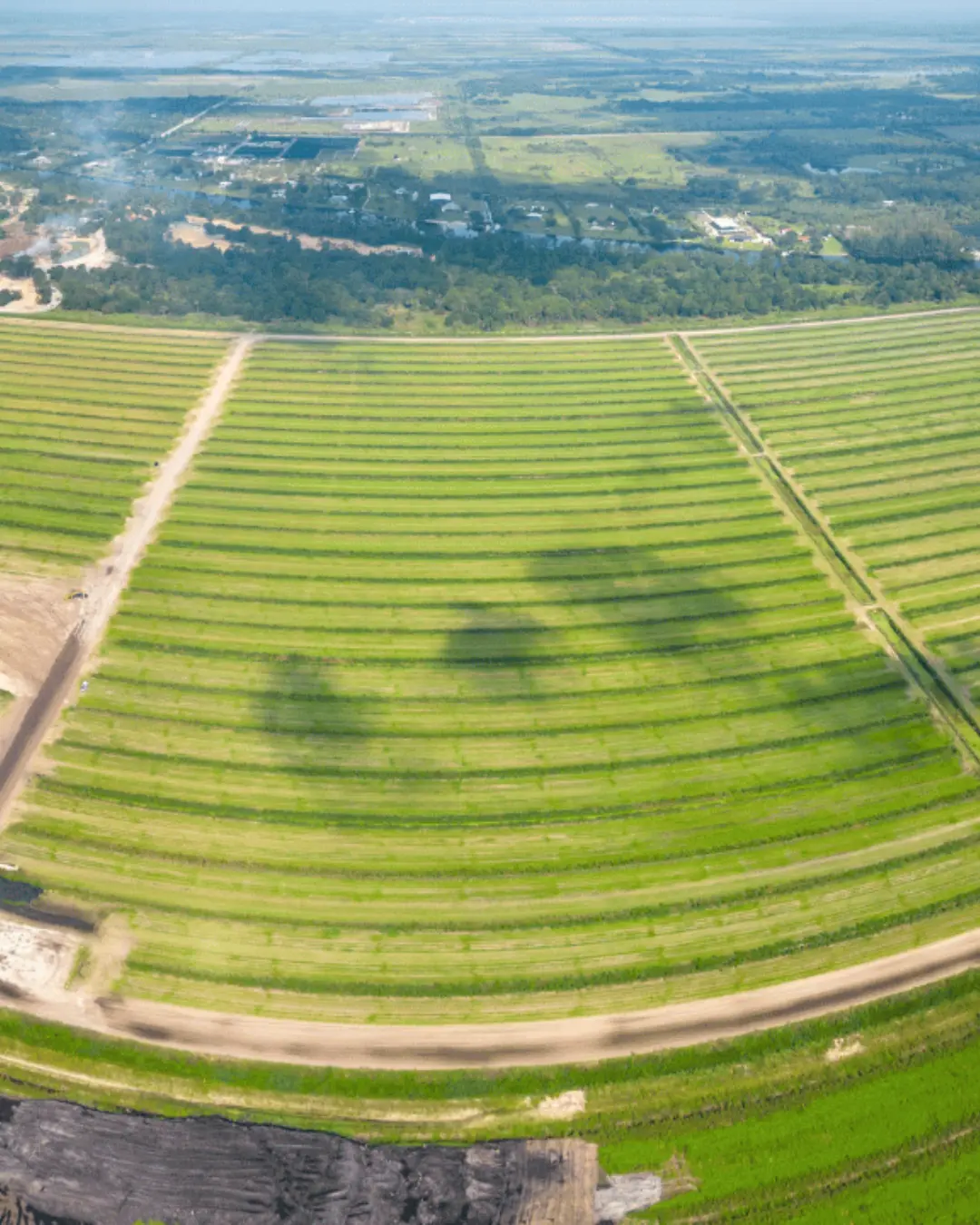
We provide aerial imagery and visual documentation of land, acreage, and site conditions, including repeatable sets that show change over time. We do not provide land surveying. Boundary determinations and measurements intended for legal or engineering purposes must be performed and sealed by a Florida licensed surveyor. If your project needs both, we are happy to document the site visually and work alongside the surveyor your team engages.
Can you work on an active construction site?
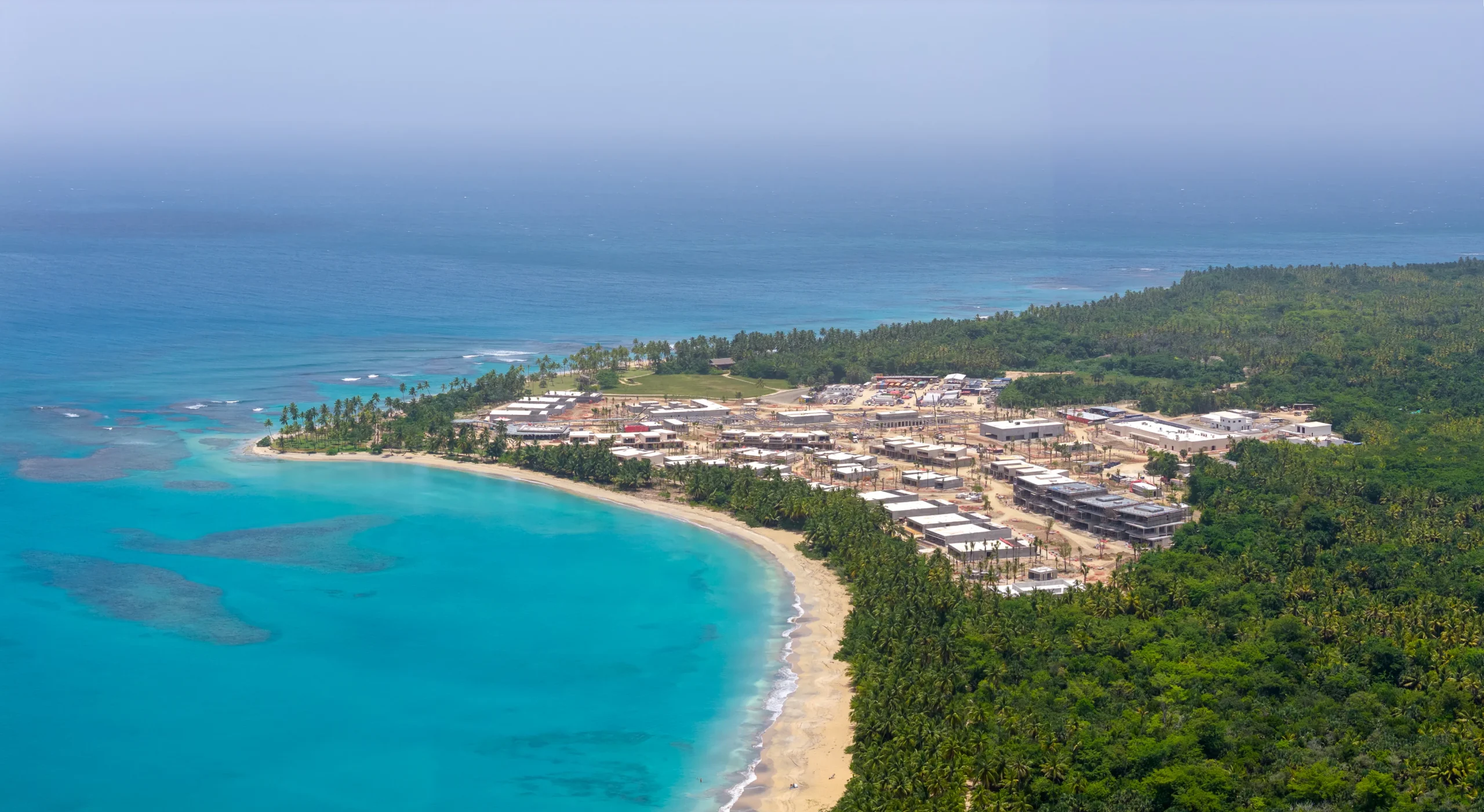
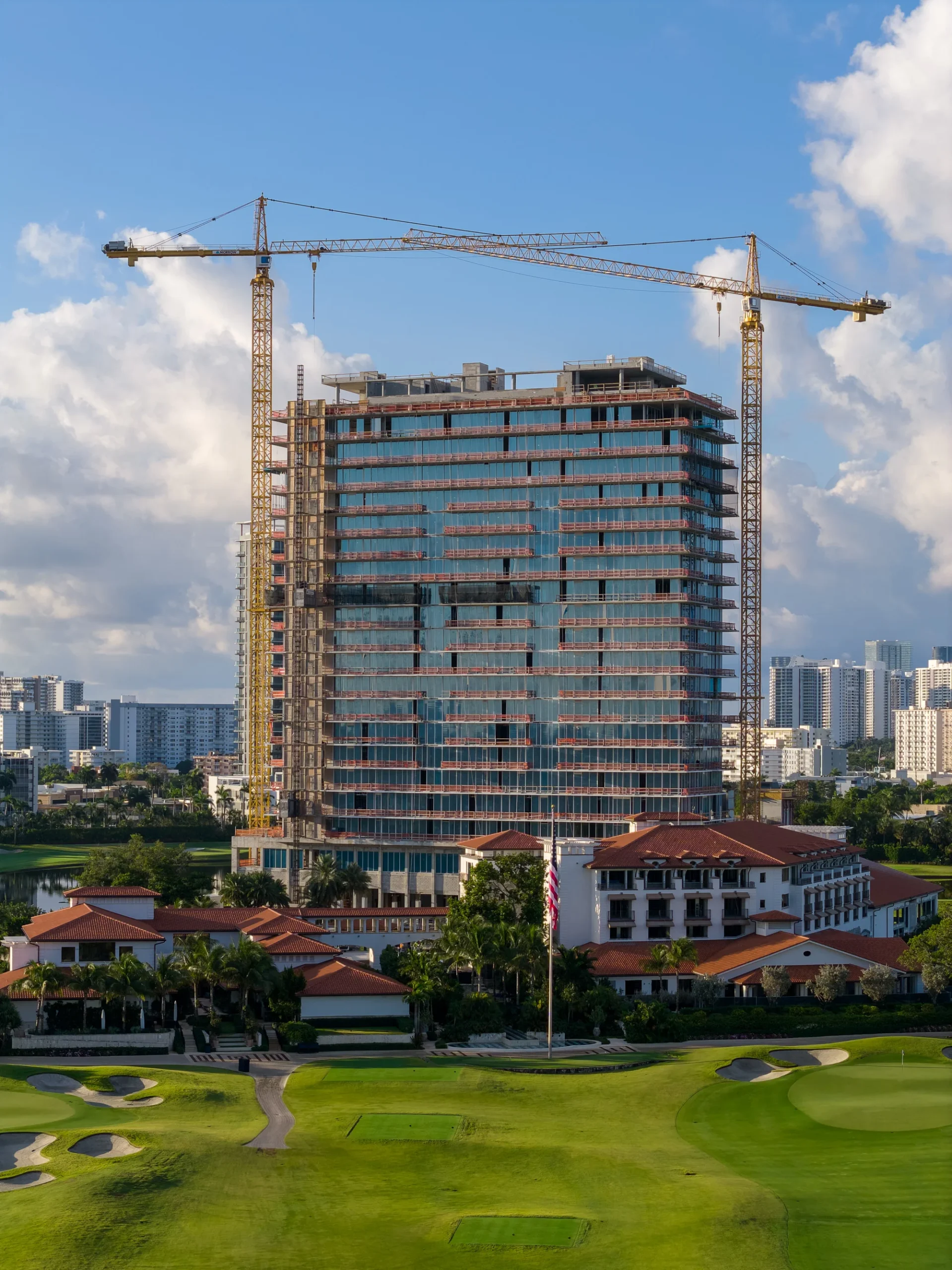
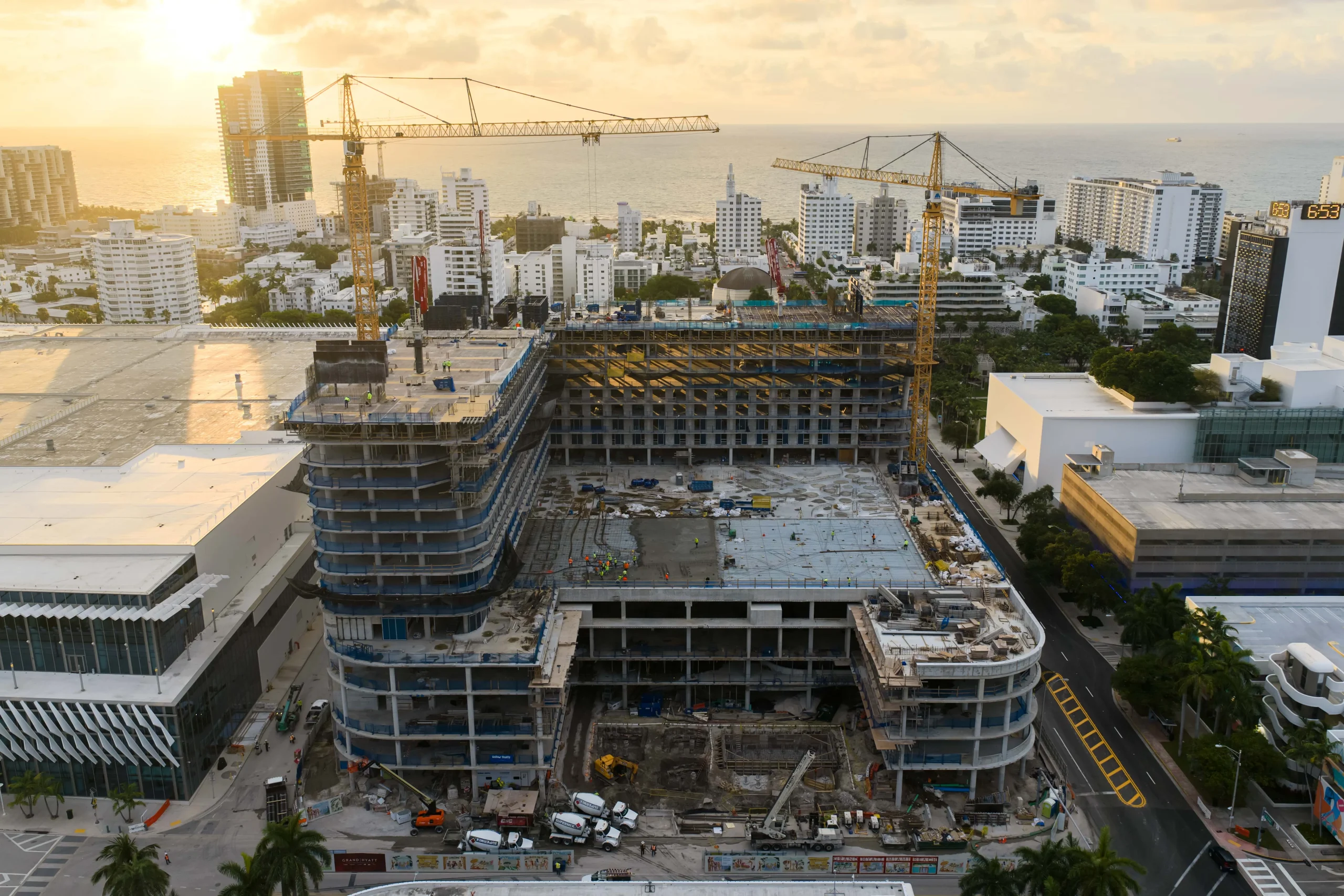
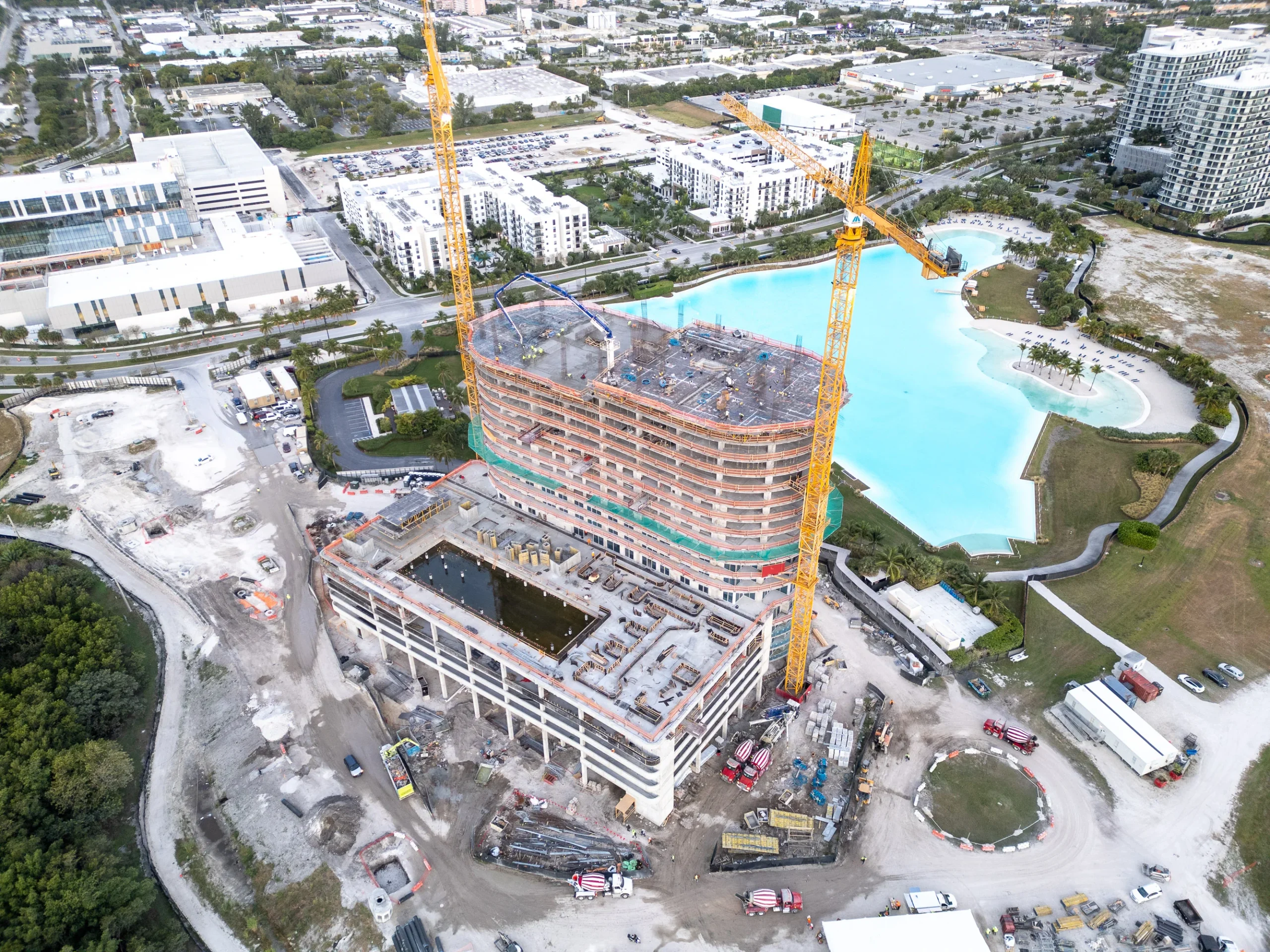
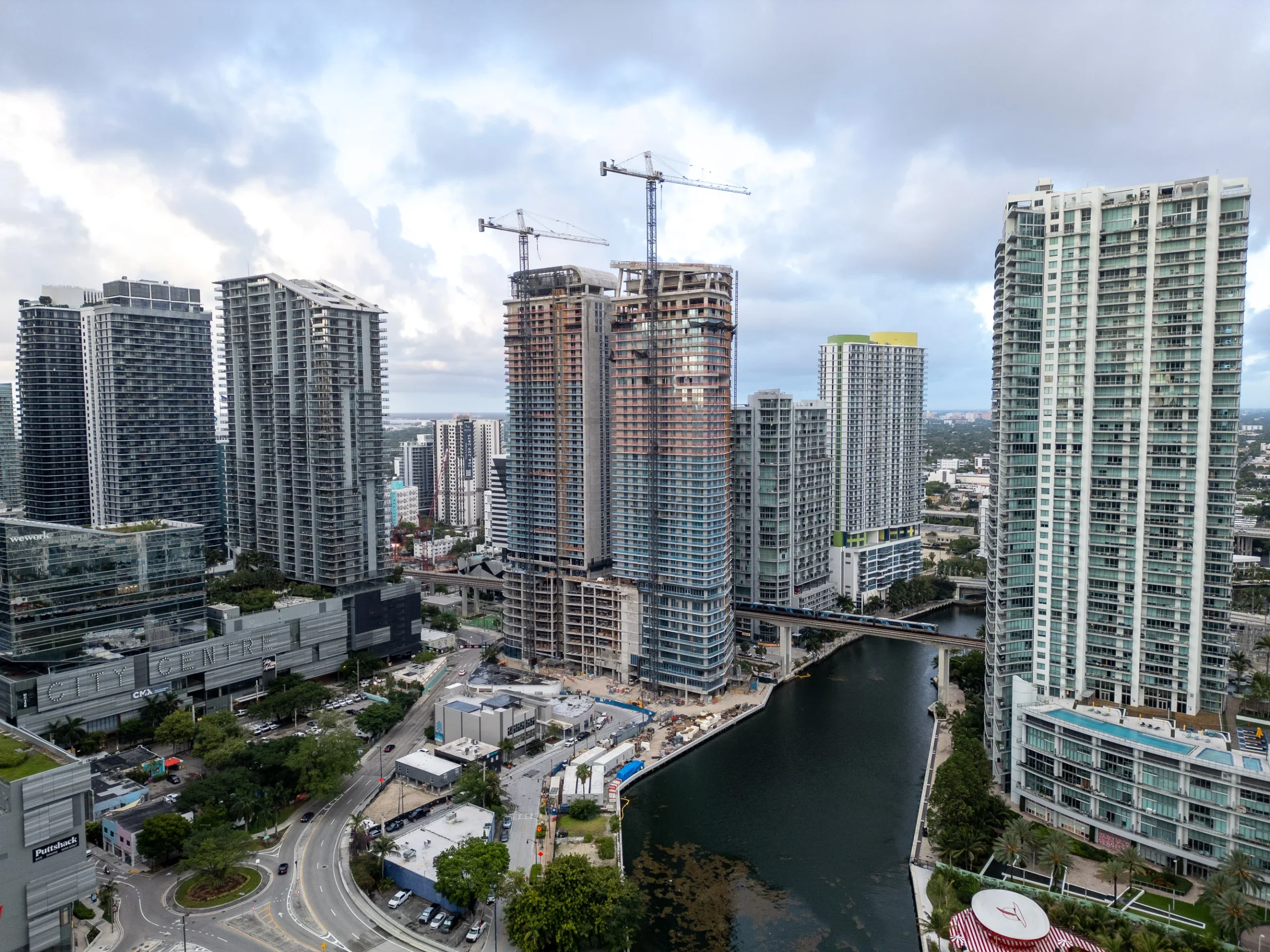
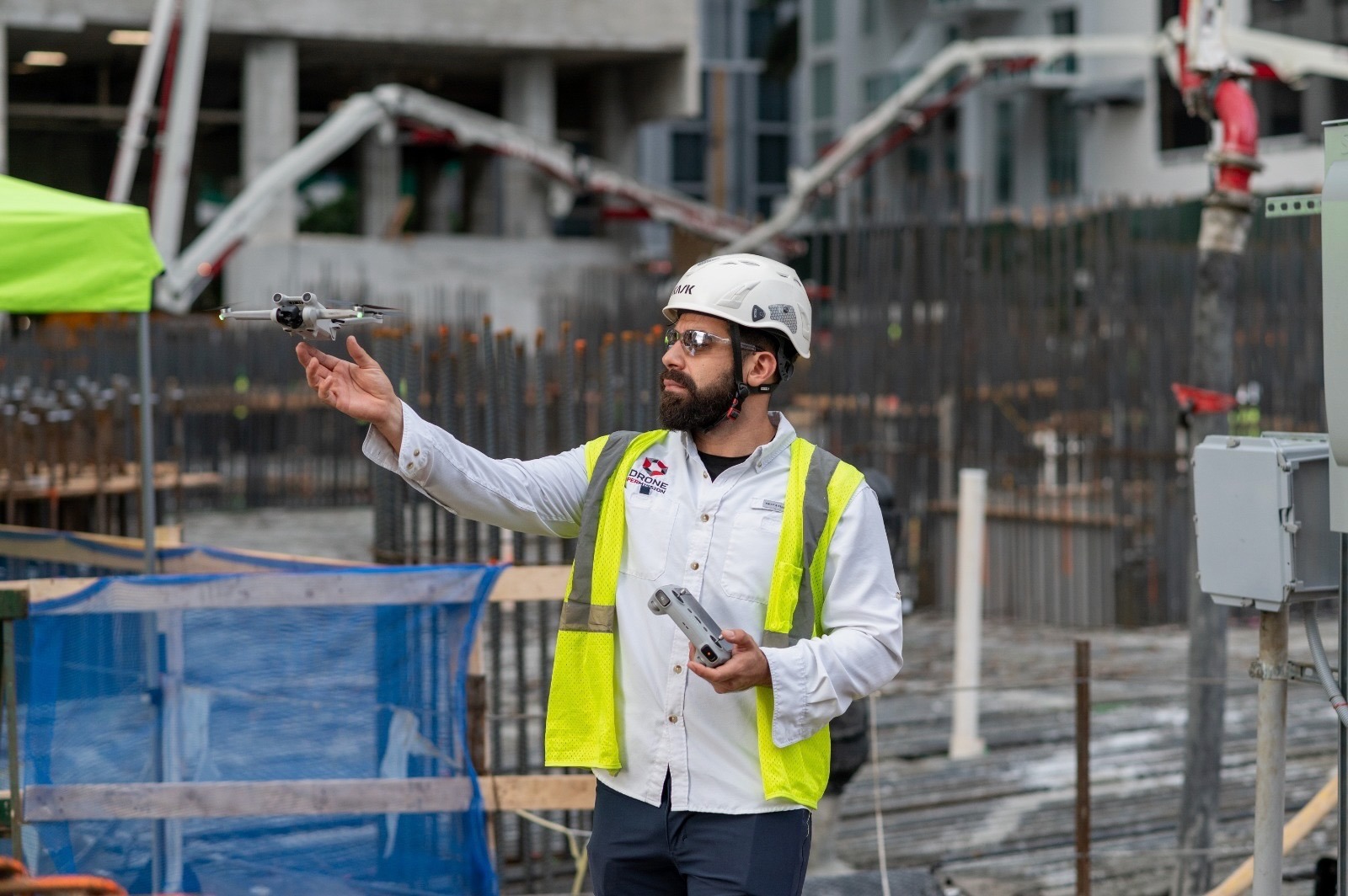
Yes, and it is most of what we do. We arrive in PPE, check in with the superintendent, walk the site before flying, brief the crew on where we will be, and use a visual observer when the site calls for one. We plan around crane operations and concrete deliveries rather than asking the job to stop for us. That fluency is why general contractors and developers in Miami keep us on the same tower for years.