Miami · FAA Part 107 Licensed & Insured
Video Post Production Services in Miami for Construction and Real Estate
Video post production services turn raw footage into a finished film. Editing, color grading, sound, graphics and delivery. We are the crew that shot your jobsite, so the edit starts the same day the cards come off the drone. One team for air, ground, sound and post, which means nothing gets lost in a handoff to a third party.
- Part 107Licensed, insured, LAANC ready
- GradedEvery frame color matched
Aston Martin Residences · Downtown Miami
Most construction and development footage dies on a hard drive. It was captured well, then it sat, because nobody owned the edit. Our video post production services close that gap. We cut, grade, mix and deliver the same projects we fly, from the Aston Martin Residences foundation to the topping off at The Standard Residences in Brickell and Tower 200 in Hallandale Beach, so the marketing team gets a film instead of a folder.
Finished Work
What Do Our Video Post Production Services Look Like?
These are complete films, not clip reels. Every one was shot, cut, graded and mixed by the same team. Each one below started as raw cards off our own cameras and left as a finished deliverable: a case study with recorded dialogue, a walkthrough of a completed public building, and a reel that shows how one grading approach holds across very different sites.
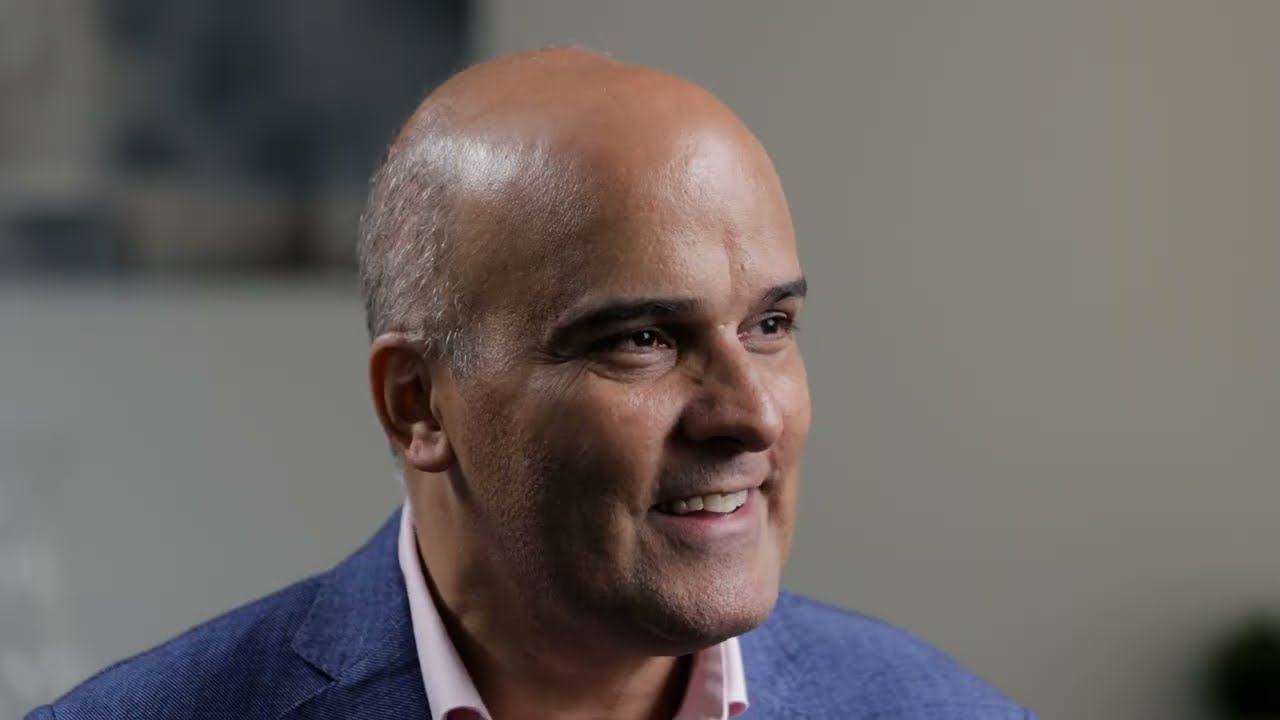
Americaribe
Americaribe and Bouygues Construction. Jobsite coverage cut together with a sit down interview. Aerial, ground, recorded dialogue and a full mix in one deliverable.

Key West Airport Concourse
Key West, FL. A finished tour of the completed concourse, interior and exterior, graded to a single consistent look.

Industry Reel
A cross section of graded work. Useful if you want to see how the same grading approach reads across very different sites.
What Are Video Post Production Services?
Video post production services are everything that happens after the shoot: ingest and logging, editing, color correction, color grading, sound, graphics and final delivery. On a construction or real estate project it also means someone owns the footage until it becomes a film. Drone Permission runs post in house with the same crew that flew the site, so nothing is explained twice.
The word post covers a long list, and most of it is invisible when it is done well. Footage arrives off the drone and the ground cameras, gets logged so a clip can be found by project and date, and then gets cut into something a developer, a general contractor and a marketing team can all use. Sound is placed, titles and logos go on, and the film is exported in the formats each of them needs.
What changes on a jobsite is the clock. A mat pour happens once. A beam goes up once. Post production that takes six weeks delivers a film after the milestone has stopped being news, so we work backward from the date you need it rather than from the date the edit is comfortable.
Post is the step after capture. The flying itself sits under our aerial photography services, and the two milestones we cover most often have their own pages: topping out ceremonies and foundation pours.

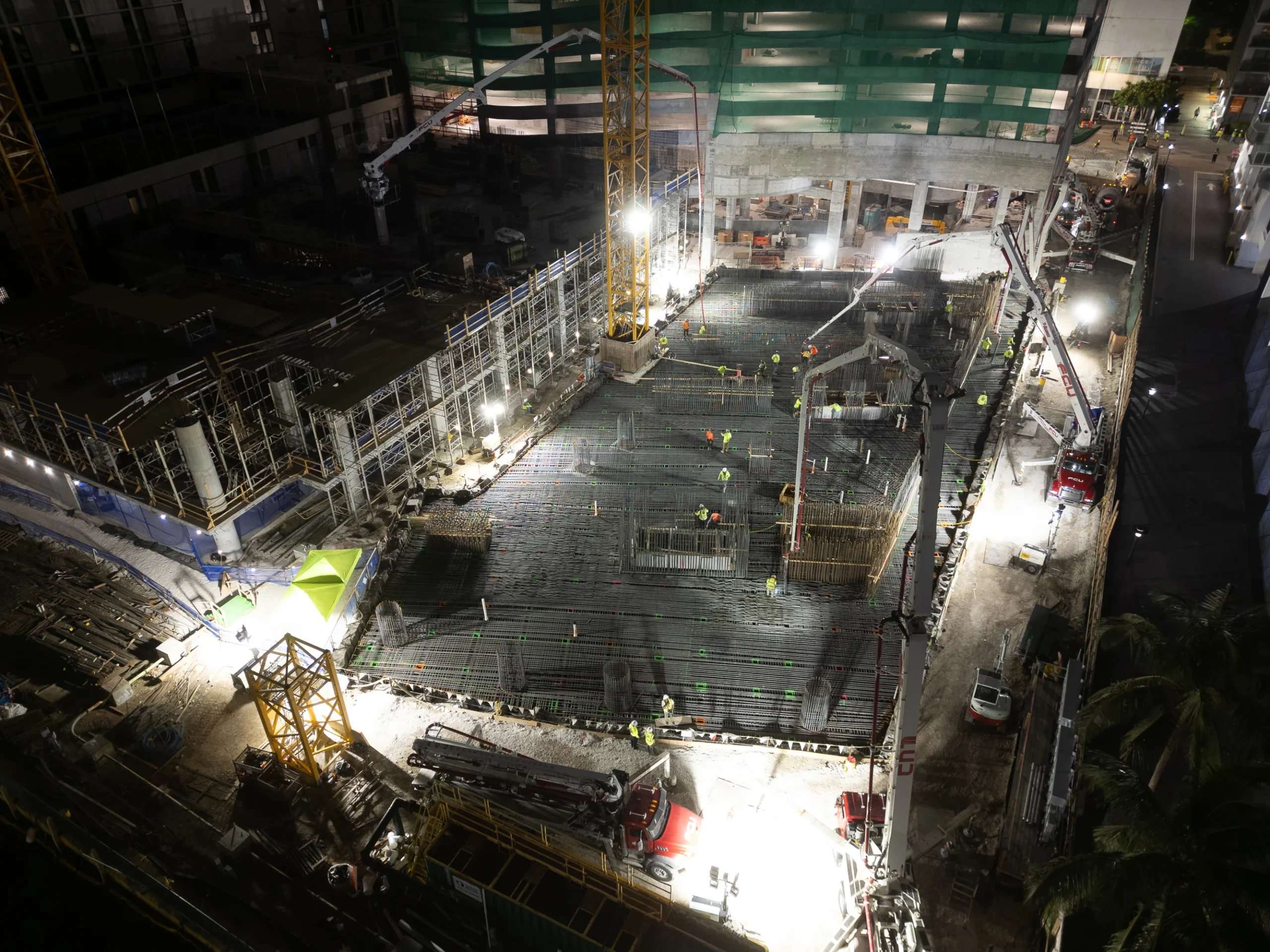
Baccarat Residences · Brickell, Miami. The overnight mat pour, cut and graded into a finished film. This is what post production turns a night of footage into.
Color Grading
What Does Color Grading Actually Change?
Color correction fixes what the camera got wrong: exposure, white balance and the mismatch between an aerial shot at noon and a ground shot in shade an hour later. Color grading is the step after that, where the whole film is given one deliberate look. On a jobsite it is what makes concrete read as concrete and glass read as glass, on every screen your team will use.
Drag the handle to compare the same frame before and after the grade. Nothing else changed: same file, same crop, same moment.
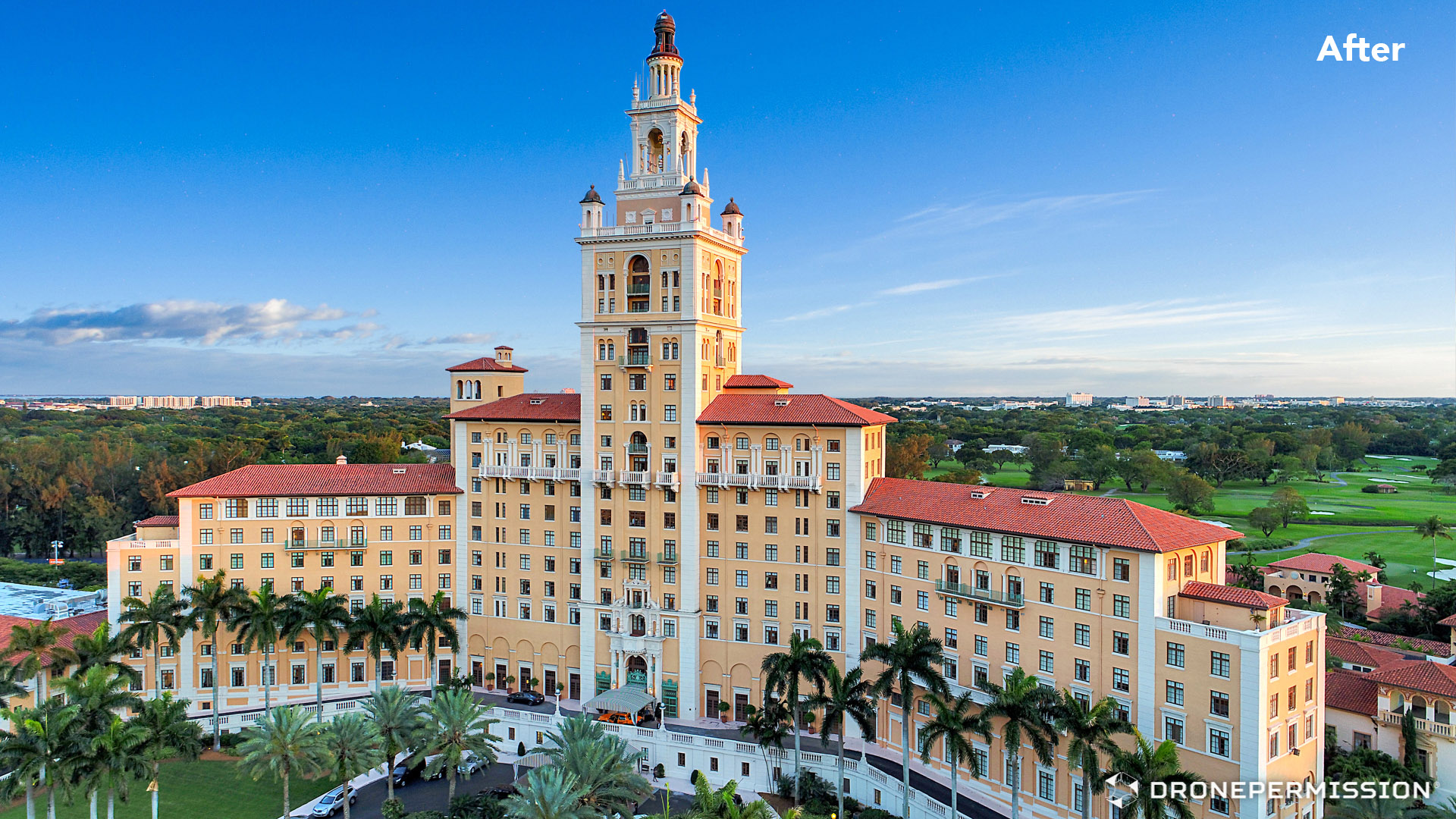
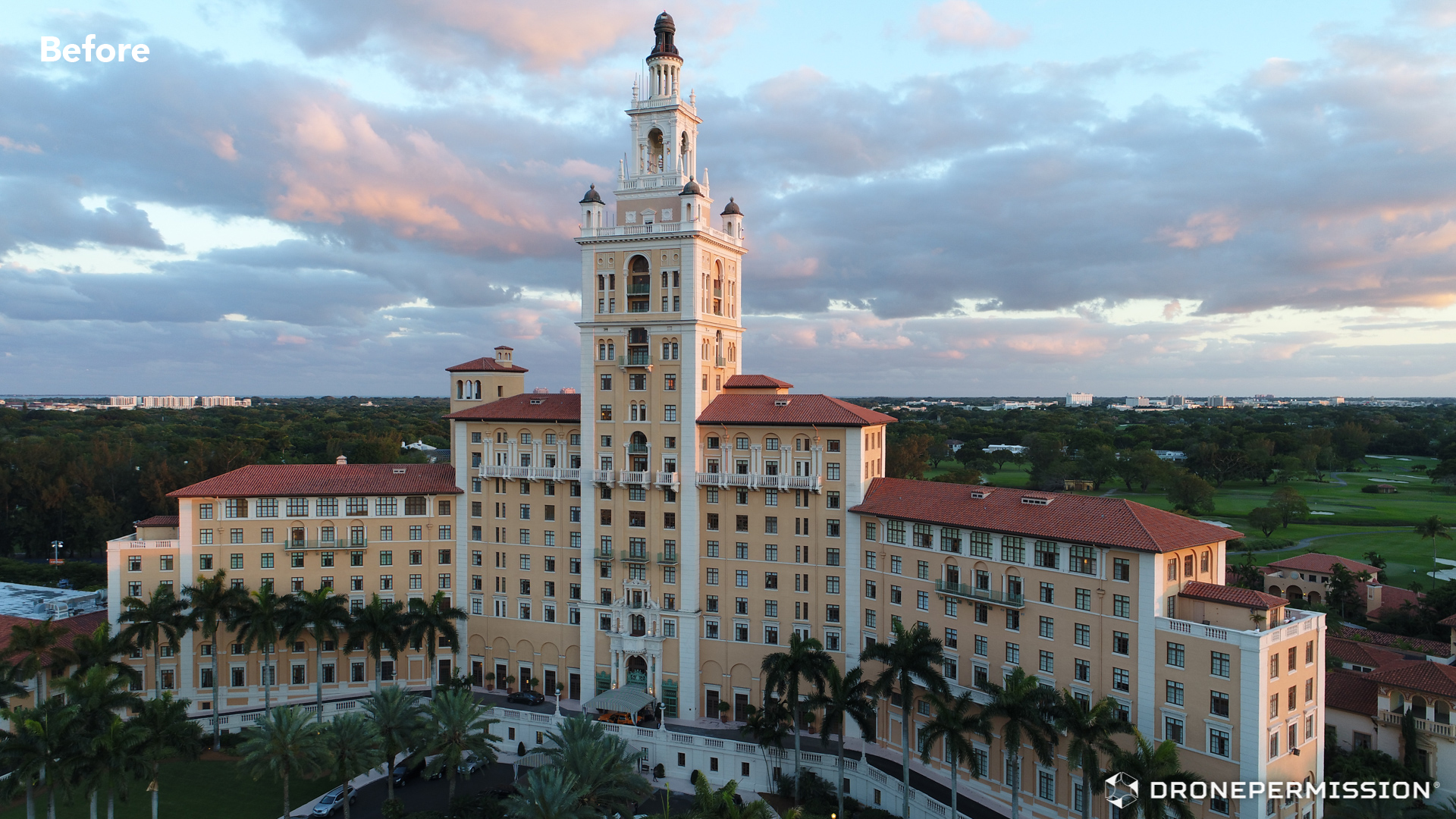
The Biltmore Hotel · Coral Gables. Camera original on the left, delivered grade on the right.
Safety colors stay real
Vests, hard hats and cones sit at the loud end of the spectrum, and a heavy grade turns them radioactive. We hold them where they read as real, so the people in the frame still look like people.
One look across a whole day
A morning aerial and an afternoon interview were lit by two different suns. Grading matches them so nobody watching notices the film was shot over eight hours.
It survives the platform
The same film is going to LinkedIn, a sales gallery, a lobby screen and a phone. We grade with margin so it still holds up after each platform compresses it.
The Return on Post
What Does Your Team Actually Walk Away With?
You get a finished film you can publish the week the milestone happens, plus the parts of it your team keeps using afterward: vertical and square cuts for social, still frames pulled from the graded footage, and an organized archive with every clip labeled by project and date. One shoot, one edit, and assets for the developer, the general contractor and the marketing team.
A film that ships
A finished, graded, mixed film with your titles and logos on it, delivered while the milestone is still news.
Channel cuts
Vertical and square versions of the same story, cut for social instead of cropped from the horizontal at the last minute.
Stills from motion
Graded frames pulled straight from the video, which is where a lot of the best construction photography actually comes from.
An organized archive
Everything logged by project and date, so a clip from the pour is findable months later when the sales team needs it.
Every company on the job wants a version. The developer, the general contractor, the concrete sub and the agency selling the units are all telling the same story to different people, and post is where one shoot becomes four assets instead of one.
Graded Stills
Frames From Projects We Have Graded
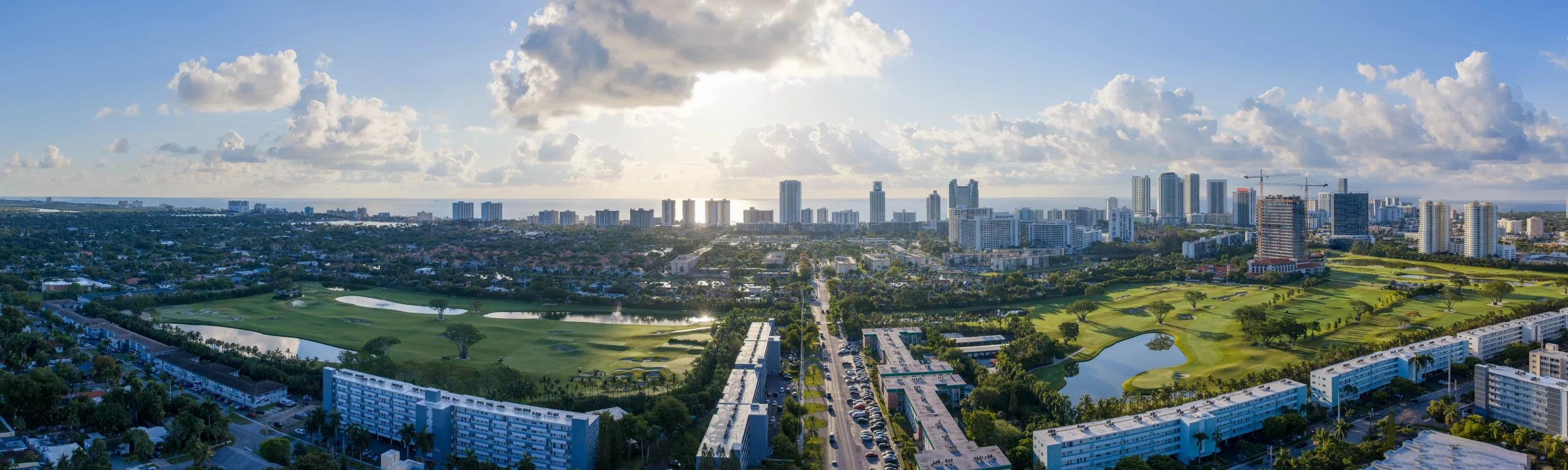
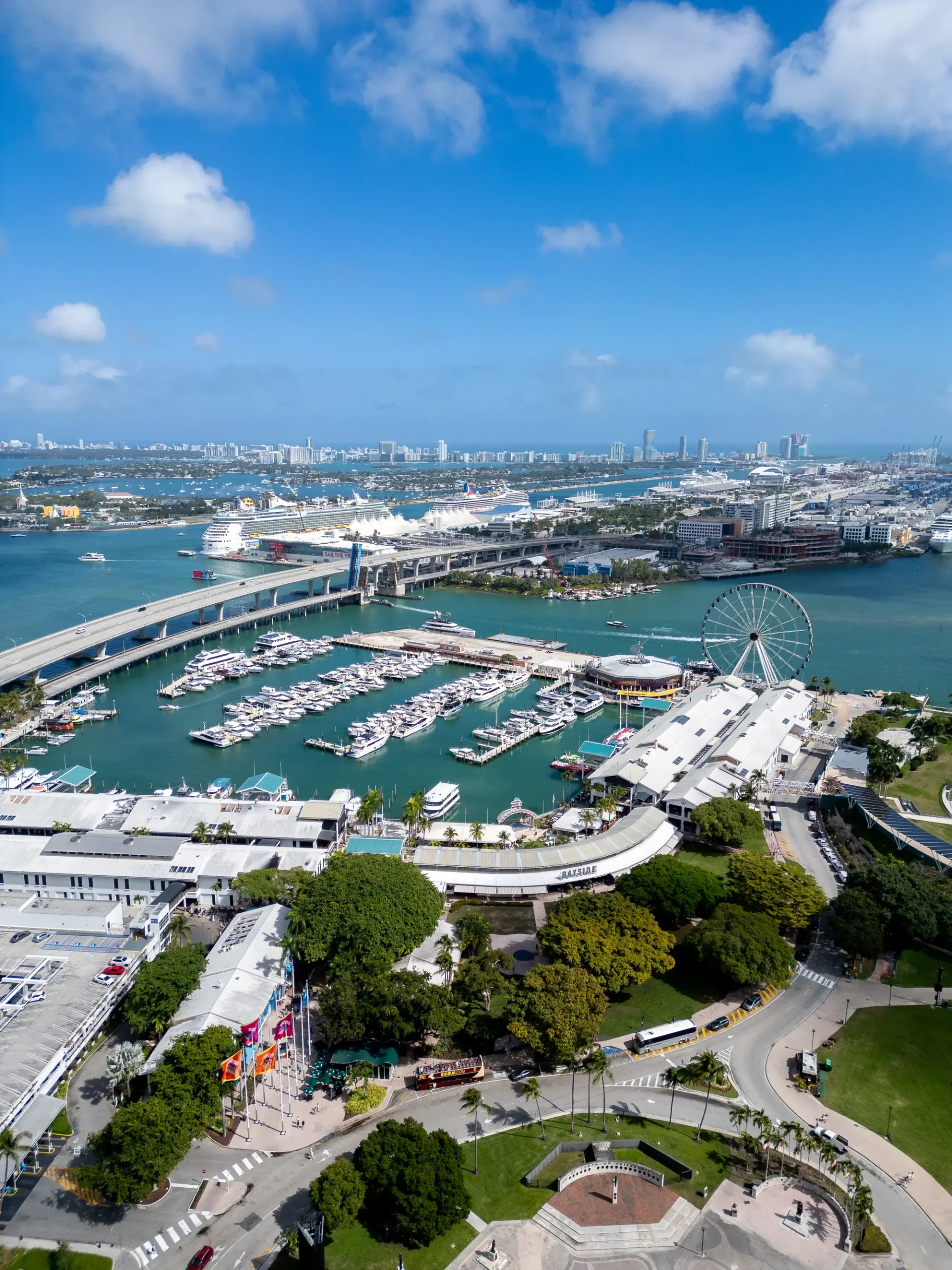
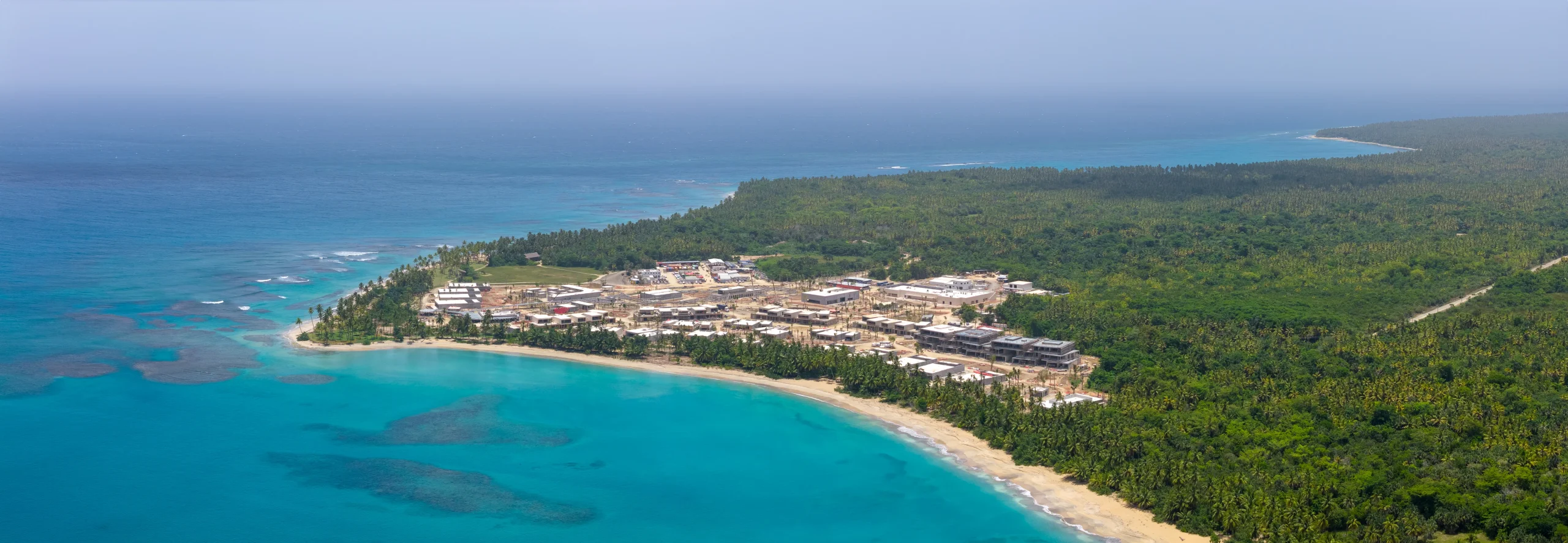
Every image below is shown at its real proportions, panoramas and verticals included. Click any frame to enlarge it.
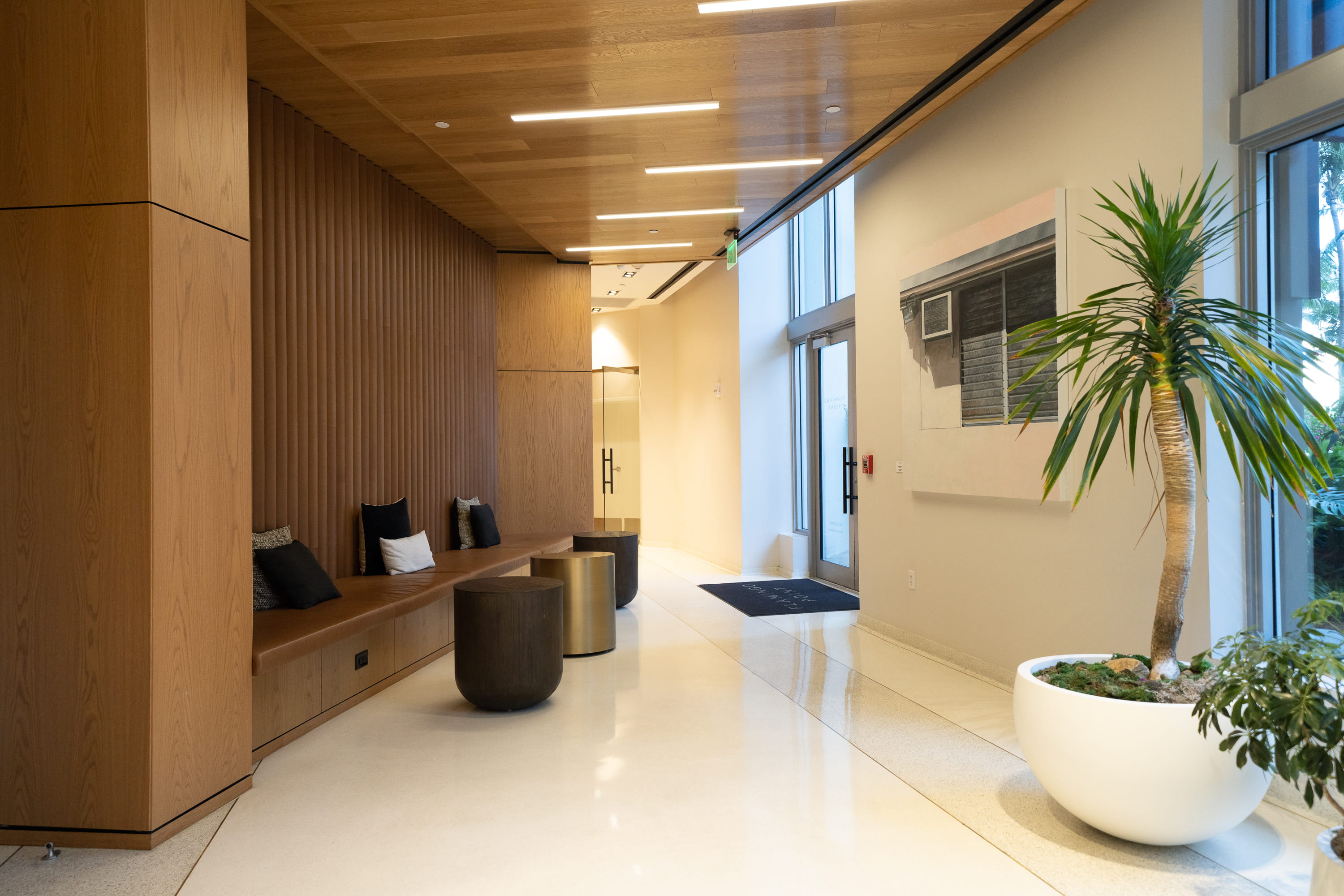

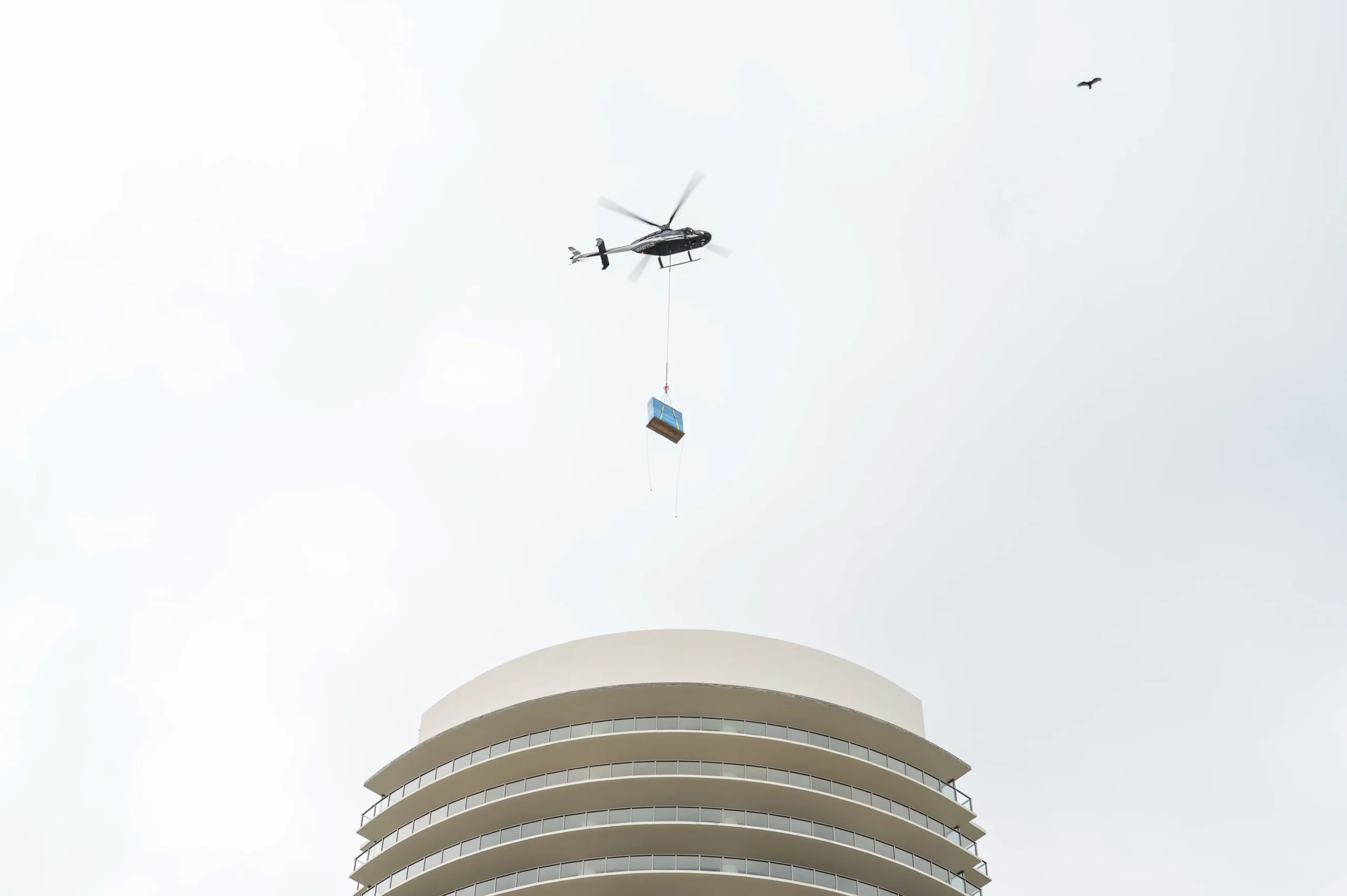


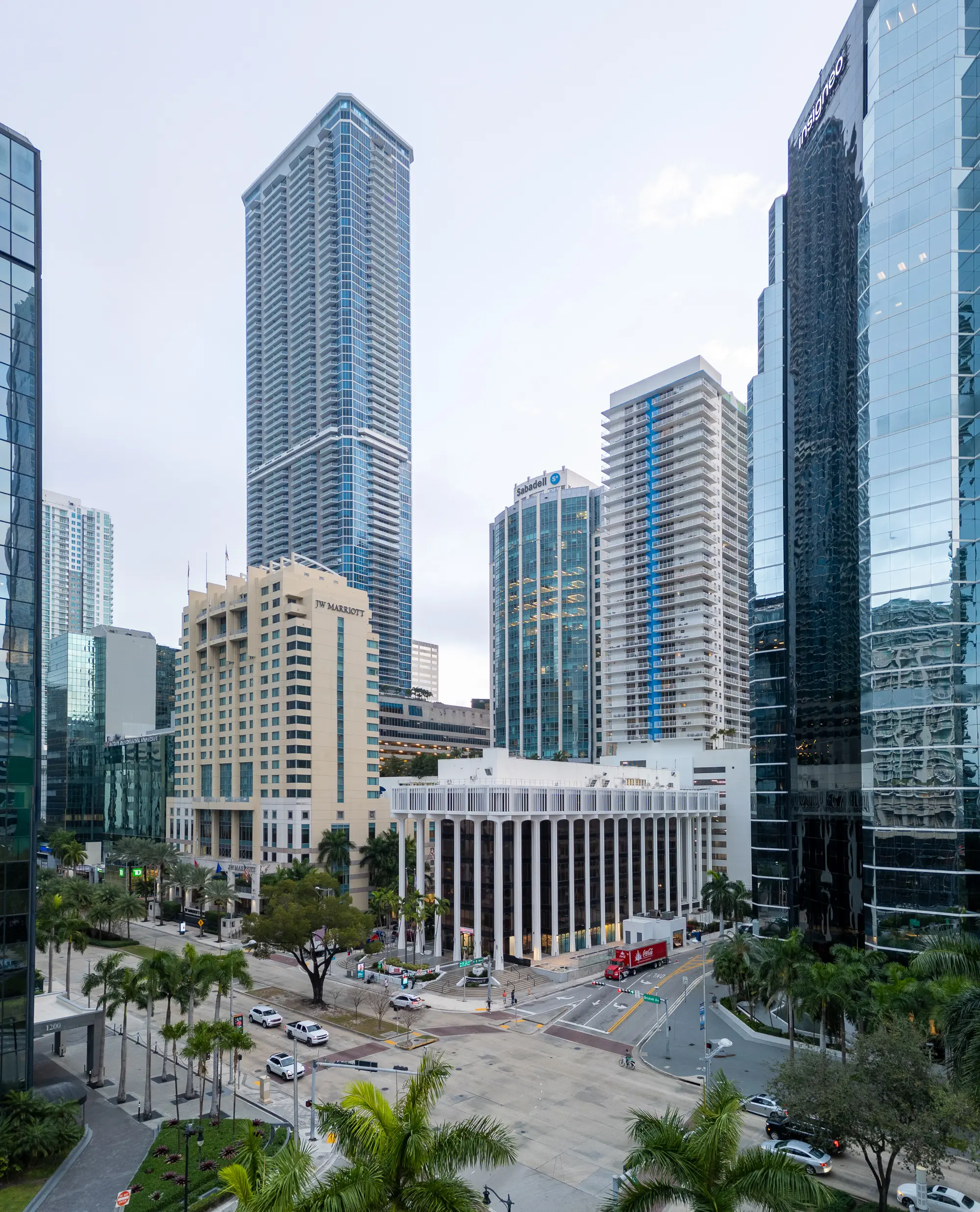
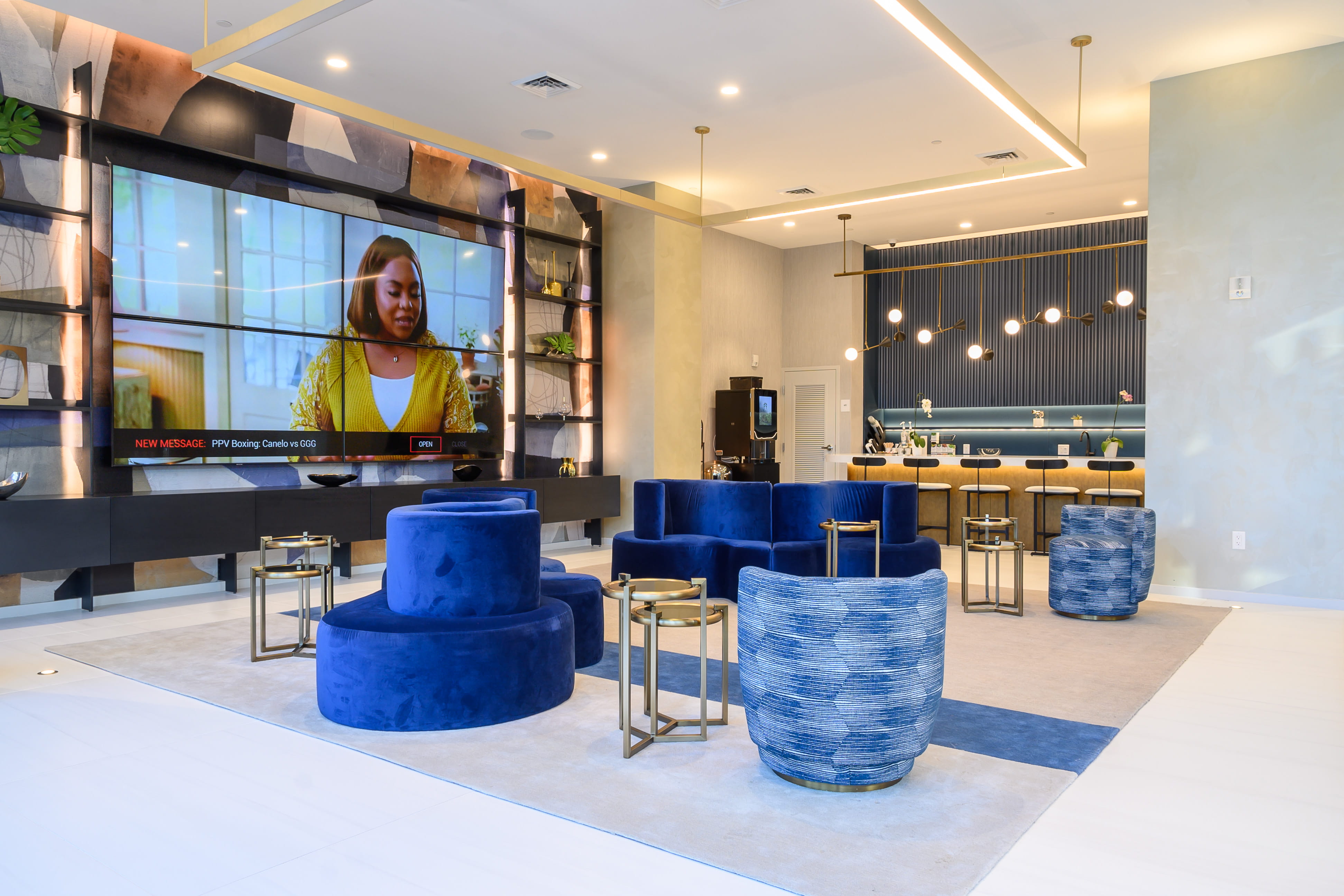

What Do Complete Video Post Production Services Include?
Complete video post production services cover seven stages: ingest and logging, edit, color correction, color grading, sound, graphics and titles, and delivery. Each one has a jobsite consequence. Logging is how a clip from a pour in August is found in November. Delivery is why the developer, the general contractor and the sales team each receive a file that opens on their own systems.
| Stage | What Happens | Why It Matters On A Jobsite |
|---|---|---|
| Ingest and logging | Cards are backed up twice, then every clip is named by project, date and subject. | A clip from a pour in August is findable in November, by someone who was not on the shoot. |
| Edit | The story is built: structure, pacing, which milestone the film is actually about. | This is the round where your notes are cheap. Changing the story after color costs time in every stage after it. |
| Color correction | Exposure and white balance are repaired so every clip is neutral and consistent. | Aerial at noon and ground in shade stop looking like two different projects. |
| Color grading | The corrected film is given one deliberate look, held across every shot. | Concrete reads as concrete, glass reads as glass, and safety colors stay believable. |
| Sound | Recorded dialogue is cleaned and mixed with music and site ambience. | Jobsites are loud. A speech nobody can hear is a speech nobody watches to the end. |
| Graphics and titles | Logos, lower thirds, project names and dates are placed. | This is where every company on the job gets credited, in the version that goes out under their name. |
| Delivery | Masters plus channel cuts and still frames are exported to spec. | Nobody has to re-encode anything, and the film opens on the systems your teams already use. |
Post production is the same discipline whether the source is a milestone film or documentation work. The footage behind a drone inspection in construction gets logged and treated on the same pipeline, and the full picture of what we do on active sites sits on our construction drone services hub.
How Do We Run Post Production On An Active Project?
We plan the edit before the flight. On site we shoot for the cut, so the crew captures the coverage an editor will actually need. You see a rough cut with the story locked before anyone spends a day on color. Sound and grading come last, and every version ships with the developer, the general contractor and the trades credited the way you ask.
We shoot for the edit
The shot list comes from the cut we intend to build, so the crew leaves the site with coverage instead of highlights.
You review a rough cut
Structure first, before color and sound. Notes at this stage are fast to act on and cost nothing downstream.
Color and sound come last
Grading and the mix are applied once the story is locked, so no one spends a day treating a shot that gets cut.
Everyone gets credited
Developer, general contractor and trades. We cut branded versions of the same film so each company can post its own.
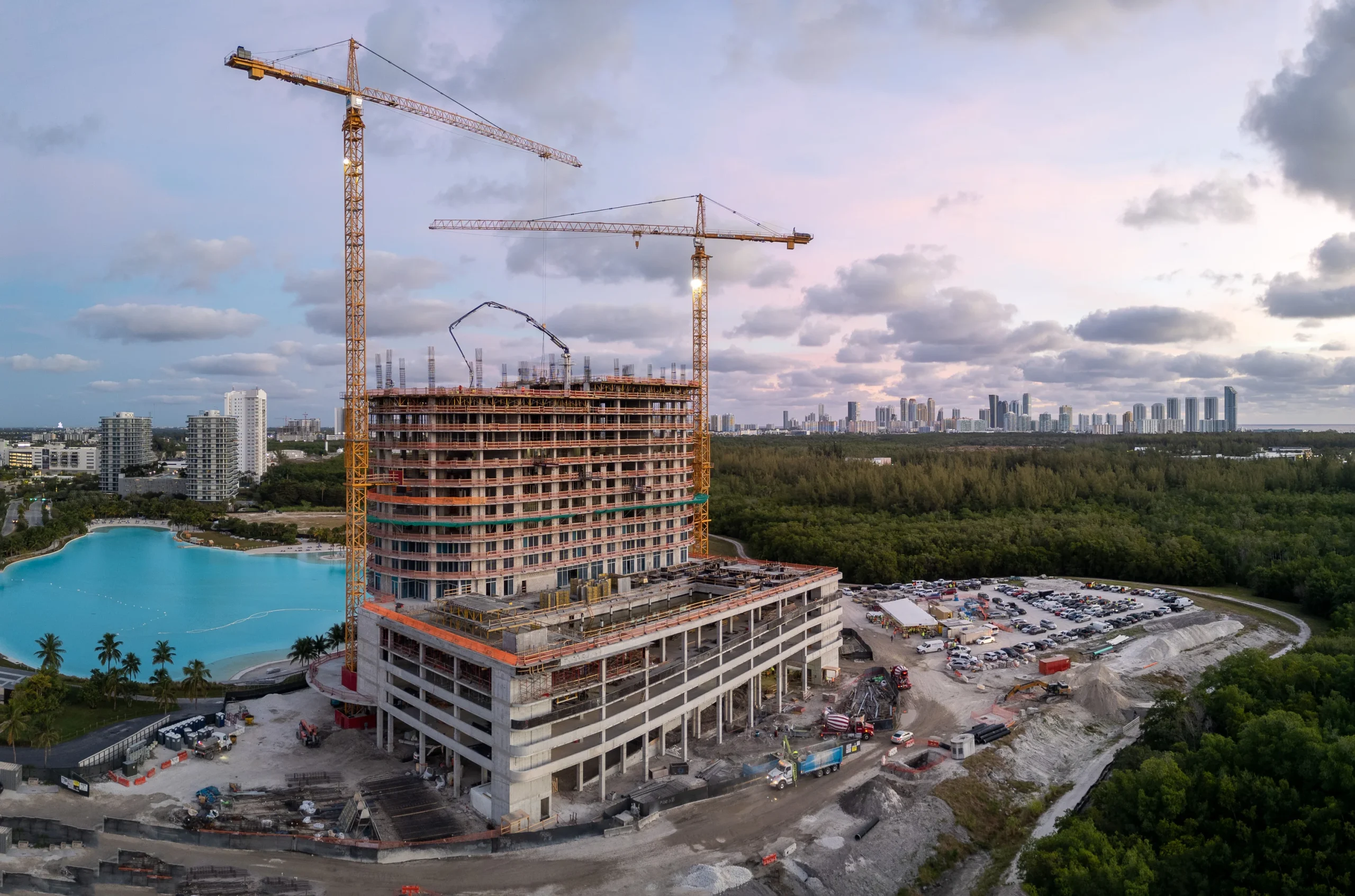
One Park Tower · Miami. Active site, filmed for the edit.
The capture side of that plan is not improvised either. We are FAA Part 107 licensed and insured, we sign in and work in PPE like any other trade, and much of Miami sits in controlled airspace, so LAANC authorization is secured before the shoot rather than on the morning of it.
Projects We Have Edited And Graded
These are projects where we flew the site and then cut, graded and delivered the work. Aston Martin Residences in Miami, Shell Bay, and the Baccarat Residences mat pour in Miami, plus the jobsite and interview package for Americaribe and the finished concourse tour at Key West International Airport. Same crew on the cards and in the edit on every one.

Aston Martin Residences
Miami
Flown from the foundation stage upward. The graded aerials are the source of both the film and the stills the marketing team uses.
- Edit
- Grade
- Aerial
- Delivery

Shell Bay
Hallandale Beach
Resort and residential coverage across changing light. Color matched so a sunrise flight and a midday flight cut together.
- Edit
- Color match
- Aerial
- Delivery
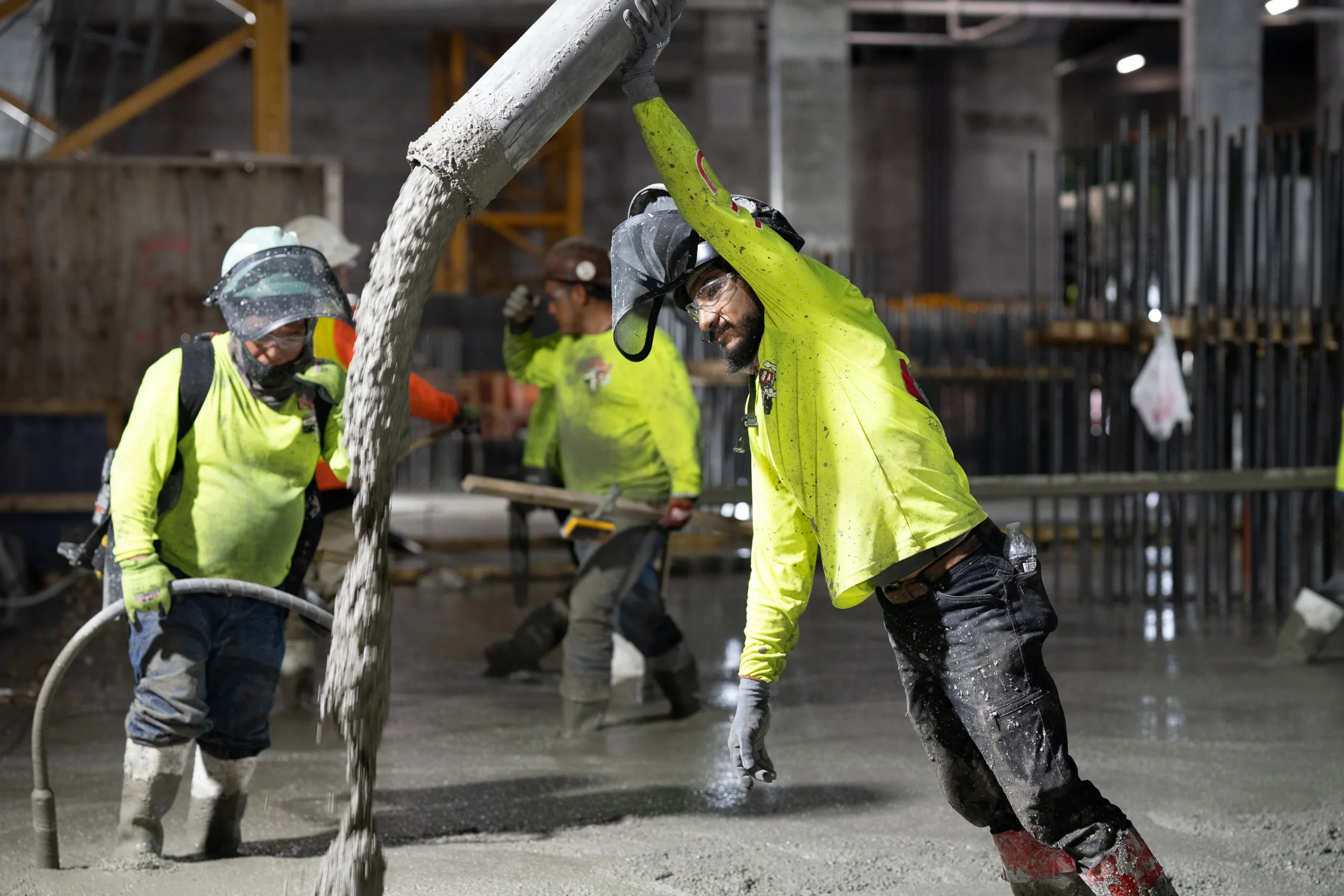
Baccarat Residences
Brickell, Miami
An overnight mat pour, filmed under floodlights. Night footage is where correction and grading do the most visible work.
- Edit
- Grade
- Aerial
- Delivery
| Project | City | What Post Included | Delivered |
|---|---|---|---|
| Aston Martin Residences | Miami | Edit, correction, grade | Film and graded stills |
| The Standard Residences | Brickell, Miami | Topping off coverage, edit, grade | Milestone film |
| Tower 200 at Shell Bay | Hallandale Beach | Topping off coverage, edit, grade | Milestone film |
| Baccarat Residences | Brickell, Miami | Night pour, edit, correction, grade | Film and graded stills |
| Americaribe and Bouygues Construction | Aerial and ground, interview, sound mix | Case study film | |
| Key West International Airport | Key West | Interior and exterior, single look grade | Finished tour film |
The two milestones on that list have pages of their own, with the coverage side explained in full: topping out ceremonies and foundation pours.
Video Post Production Services FAQ
What is video post production?
Video post production is everything that happens after the cameras stop: ingest and logging, editing, color correction, color grading, sound, graphics and final delivery. It is the stage that turns a folder of clips into a film someone can publish. On a construction project it is also the stage where a decision gets made about what the footage is actually for, which is why we plan it before the flight rather than after.
How much do video post production services cost?
It depends on the scope: the length of the finished film, how much footage there is to log, whether there is recorded dialogue to mix, and how many branded versions each company on the job needs. A short milestone recap and a full case study with an interview are not the same job. Send us the project, the milestone and the deliverables you need and we will send a quote.
How long does video post production take?
It depends on the length of the film and how much footage there is, but the delivery date is something we plan around rather than discover at the end. Milestone films are news, so if a topping out or a mat pour has to be published the same week, tell us before the shoot and we build the schedule backward from your date instead of from the edit. Rush delivery is possible when it is agreed in advance.
What is the difference between color correction and color grading?
Color correction is repair. It fixes exposure, white balance and the mismatch between an aerial shot at noon and a ground shot in shade an hour later, so every clip is neutral and consistent. Color grading is the creative pass that follows, where the corrected footage is given one deliberate look. Correction makes the footage accurate. Grading makes it yours.
Can you edit footage another crew shot?
Yes. We take post production only projects and work from footage another crew captured, including drone files, ground camera files and recorded audio. Send the media with any logs or shot lists you have. If the material has gaps, we will tell you what is missing before the edit starts rather than after you have seen a cut.
How many rounds of revisions are included?
Revision rounds are agreed when we scope the project, and they are built around the rough cut. That is the round worth spending your notes on, because structure and story get decided there and changes are fast to make. Once the cut is locked we move to sound and color, and a change to the story after that point costs time in every stage downstream.
What file formats do we receive?
You receive a master file for archive plus the delivery files each team needs: a horizontal cut for the website and YouTube, vertical and square versions for social, and still frames pulled from the graded footage. Tell us where the film is going and we export for those destinations. If your marketing team has a spec sheet, we match it.
Do you handle sound and interviews?
Yes. We record interviews on site with proper microphones and mix them in post with music and ambience, which is what the Americaribe film is built on. Jobsites are loud, so we plan where dialogue gets recorded before the day and treat that audio in post rather than hoping the camera microphone was enough.
What if the footage is shaky or the light was bad?
A lot of it is recoverable. Stabilization, correction and grading can rescue handheld ground footage and flat midday light, and we will show you what the frame looks like after treatment before you decide. What cannot be recovered is a shot that was never taken, which is the real argument for planning the edit before the shoot.